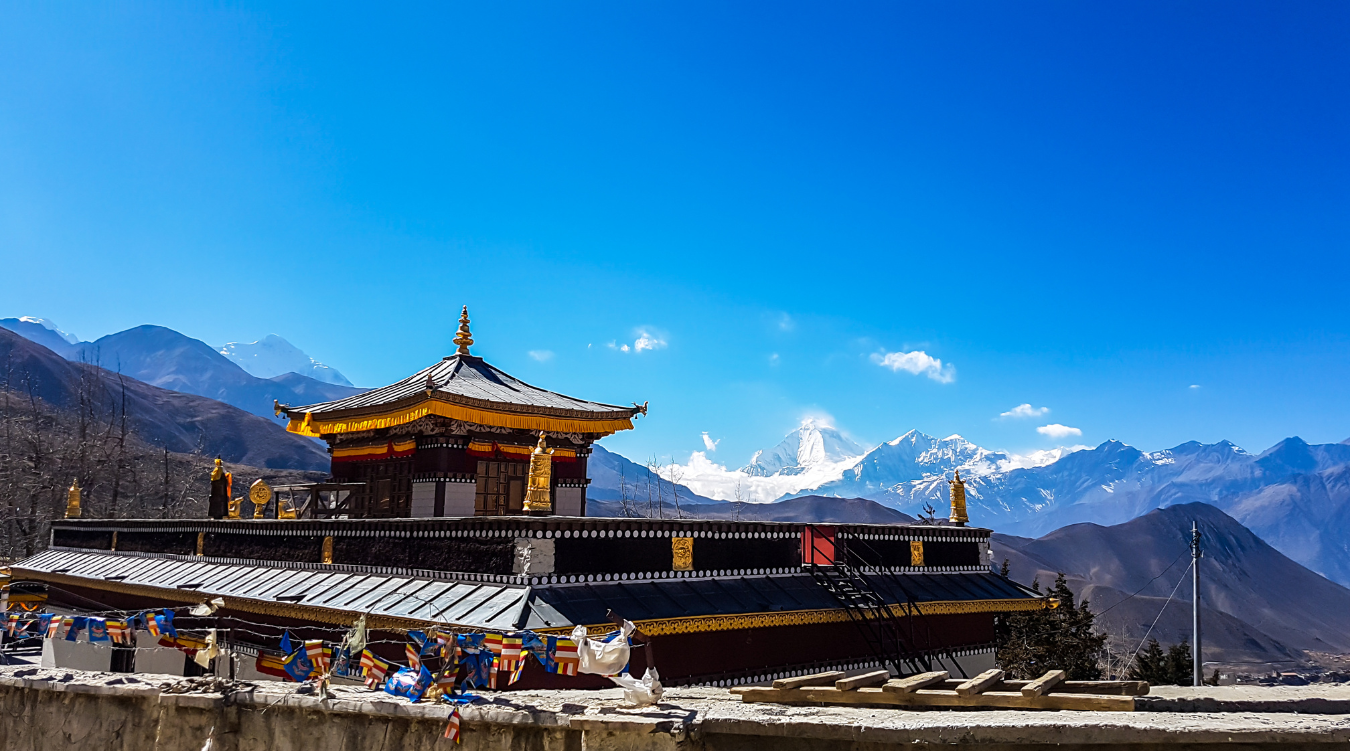
Gosaikunda - Helicopter

Gosaikunda - Helicopter

5-Day Moderate trek to the abode of Lord Shiva, where pilgrims bathe during Janai Purnima to cleanse sins and attain salvation,

5 Days Trip
Starting From
Best Deal
$350 /Person
DESTINATION Gosaikunda Trek
DURATION 5 Days
MAX. ALTITUDE 4600 m
GRADING Moderate
GROUP SIZE 1-15
ACCOMMODATION Hotel and Tea-House
TRANSPORTATION Bus, Van, and Jeep
MEALS Breakfast, Lunch, Dinner
BEST TIME Mar-May, Sept-Nov

Detailed Itinerary

Day 1 Drive from Kathmandu to Dhunche (1,960 m)

Choose one of the two route options to reach Dhunche: via Kakani or Galchi. While the road via Galchi takes around 7 hours to reach Dhunche, the Kakani route takes around 2 hours more because of the bumpy track.

However, the views from Kakani are far off better than those from the Galchi route, particularly the reminiscing views of the Ganesh Himal. So, choose a suitable option for you. Plus, it is better to avoid the bus option and hire a jeep instead (although a bit expensive) because the conditions of the bus are disagreeable.

Day 2 Trek to Chandanbari or Shin (sing) Gompa (3,330 m)

This first day of the trek is going to be interesting. You will go past the Shiva Temple and rise to a heightened village named Deurali. From here, the downward valleys and hills appear mesmerizing. Proceed along the ups and downs until you enter into a quaint forest below Shin (sing) Gompa.

This forest walk will take some time, but it is worth walking on the silent trails of the jungles. The chirping birds and colorful butterflies enhance the interesting part of the journey. Soon, you will arrive at the wonderful village of Chandanbari with a popular Shin Gompa (monastery).


Day 3 Trek to Gosaikunda (4,380 m)

A long day to Gosainkunda begins by crossing a fabulous Kani Gate at Chandanbari. Within about 10 minutes, you will begin to notice the trails being exposed to the vast panorama of wild beauties, especially the peak of Ganesh Himal. The fleeting glimpses of the Langtang range also add flavor to the journey. As you cross the nice and warm village of Cholangpati, the beauty of the Langtang opens up.

The gorgeous vistas of the Himalchuli Peak, Annapurna range, and Langtang range grace the pathways to introduce the real definition of mountains. Once you reach Laurebina, you will observe some distant views of the lakes in the Gosaikunda.

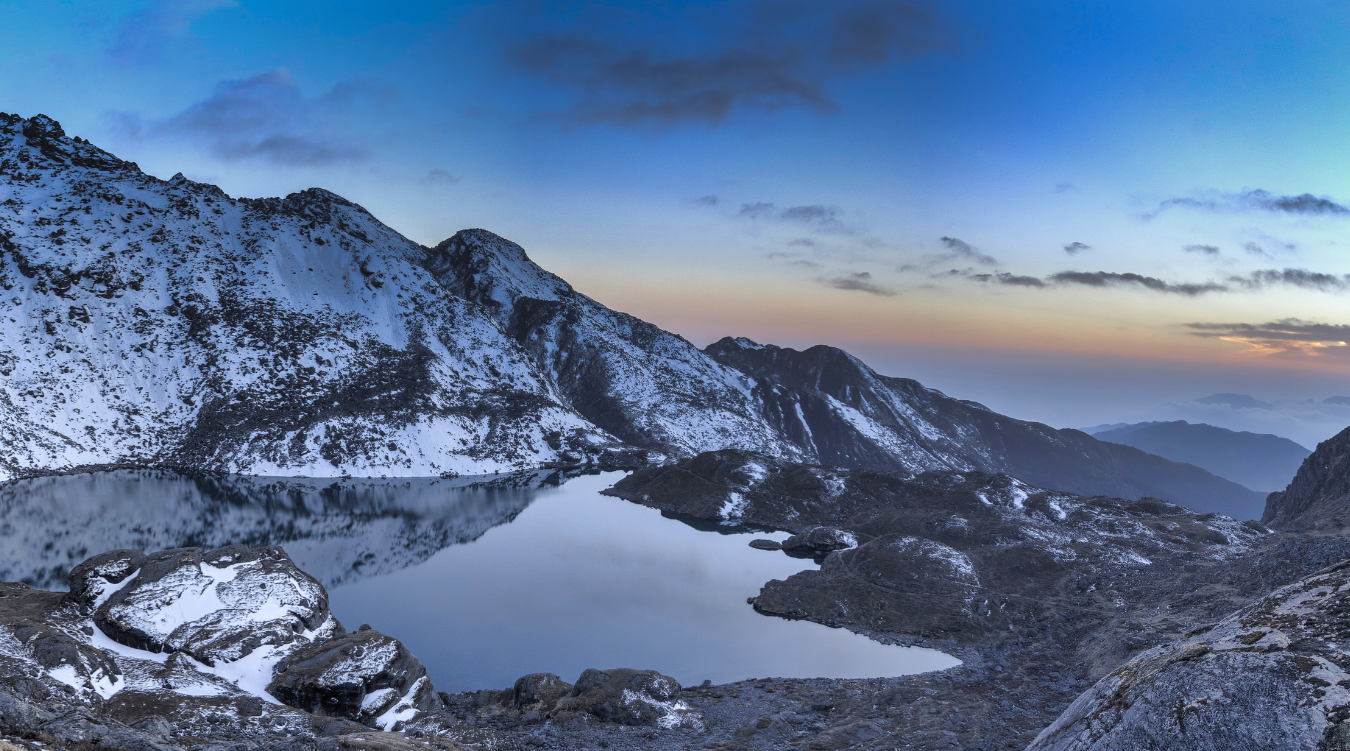
The first lake that you will meet is the Saraswati Kunda and then, the Bhairav Kunda, and finally the Gosaikunda. They are clean and sublime. Because of the tiny glacial matter, this lake appears turquoise in color. The surrounding hills are fascinating and give a slight space for the Ganesh Himal to bless your soul. It is indeed very much exquisite.


Day 4 Trek to Dhunche (1,960 m)

From Gosaikunda, we will retrace our steps back to the Dhunche. Despite having crossed the trail before, the path to Dhunche surprises you in the same way as you were surprised before. The views are simply excellent. Once you arrive at the Dhunche, explore some side street vendors.


Day 5 Drive back to Kathmandu

From Dhunche, catch a scenic drive to Kathmandu.

Tour Overview: How This Journey Will Liberate You

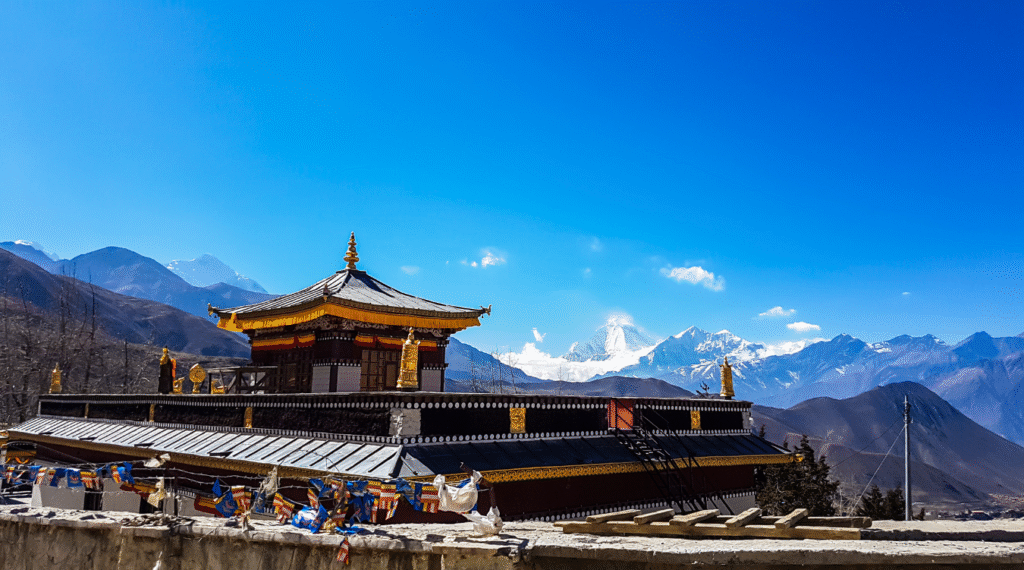
Exposed to the breathtaking sceneries of the grand Himalayas, the lake Gosainkunda remains one of the most exquisite locations on the planet. In this Gosainkunda Trek, you will have an opportunity to witness the finest glimpses of the Himalayan lakes and their inspiring vistas. On the way, you will come across some of the elegant Chortens and Mani walls, which invite a peaceful and serene atmosphere. The monastery of Shin Gompa puts a classic touch on the trek to Gosainkunda. Overall, it is fascinating.

Gosainkunda Trek can be attempted at any time of the year except the monsoon (June, July, August) and the winter (December, January, February). In monsoon, the trails become slippery because of the rainwater. So, it is not suitable. Similarly, in the winter, the excessive cold makes Gosainkunda inaccessible, so cold that the lake freezes into ice. Within 5 days, you will be in Kathmandu again. This is the most incredible short-day trek from Kathmandu that anyone, with a healthy bone, can attempt.

Beginners are fine with this trek. Contact us for further information.

Planning a trek to Gosaikunda:

Planning a trek to Gosaikunda in Nepal is an exhilarating adventure that requires careful preparation. Plan your trekking itinerary carefully, typically including stops at Dhunche, Shin Gompa, Laurebina, Gosaikunda, and Chandanbari, adjusting it to your pace and preferences.

Acclimatization is essential to avoid altitude sickness, so allocate at least one extra day at Gosaikunda or another high point to allow your body to adjust. Prioritize safety during your trek by carrying a fully charged mobile phone and informing someone of your plans. Lastly, savor the journey by immersing yourself in the stunning Himalayan vistas, lush forests, and local culture along the way. Remember to be environmentally conscious, leaving no trace of your presence, and enjoy the natural beauty that the Gosaikunda Trek has to offer.

The Best time to do the Gosaikunda Trek:

Autumn (September, October, and November) is the best time for the Gosaikunda Trek. The weather is stable, the skies are clear, and the temperatures are comfortable for trekking. The trails are dry, offering good grip, and you can enjoy stunning views of the Himalayas. This is also a peak trekking season, so you may find other trekkers to join along the way.

Spring (March, April, and May) is another excellent time for the trek. The weather is warm, and the rhododendron forests along the lower trails are in full bloom, adding to the beauty of the trek. While avalanches are a concern in higher-altitude regions like the Everest and Annapurna areas, they are not a significant issue on the Gosaikunda Trek.

Monsoon (June, July, and August) is not recommended due to heavy rainfall, slippery trails, and leeches in the lower regions. The clouds often block mountain views, reducing the trek's scenic appeal.

Winter (December, January, and February) can be extremely cold, with heavy snowfall making the trail difficult, especially near the Gosaikunda Lake at 4,380m. However, for experienced trekkers prepared for harsh conditions, winter offers a serene and less crowded experience.

Food and Accommodations:

Throughout the Gosaikunda Trek, you'll find a network of teahouses and lodges in the villages along the trail. These provide accommodation and meals for trekkers. The quality and comfort of teahouses can vary, but most offer basic amenities such as beds with blankets, shared bathrooms (often squat toilets), and communal dining areas. Remember that facilities may become more basic as you ascend to higher altitudes. Hot showers may not always be available, and heating can be limited at higher elevations.

You can also find a variety of food options but it is recommended to consult your guide for better and hygienic options.

Transportation to reach Gosaikunda:

The most common way to reach Dhunche, the starting point for the Gosaikunda Trek, is by taking a local bus. Buses depart from the Gongabu Bus Park in Kathmandu. The journey typically takes around 7-9 hours, depending on road conditions, and offers scenic views along the way. And if you prefer a much more comfortable or faster option, you can also opt for a private vehicle. After reaching Dhunche, we will begin our journey on foot and trek through lush forests, villages, and scenic landscapes to reach Gosaikunda and its surrounding areas.

Necessary Permits & TIMS:

To trek to Gosaikunda in Nepal, you will need to obtain the necessary permits, including the Langtang National Park permit and local area permit. These permits are essential to ensure your safety, track trekkers in the region, and support local conservation efforts.

Langtang National Park permit:
Cost: Nrs 3000 per person.

 
Insurance
Self, high altitude insurance

Highlights: What Makes This Yatra Unforgettable

  • Gosaikunda Lake
  • Stunning views of the Langtang Himalayan range, including peaks like Langtang Lirung and Dorje Lakpa
  • Stunning sunrises and sunsets over the Himalayas.
  • Relax in the natural hot springs in Dhunche.

What's Included

  • Private transport (airport pickup/drop + all drives)
  • Accommodations during tour
  • 3 times meal daily (pure vegetarian)
  • 2 times coffee/tea daily
  • Farewell gifts
  • Temple entry permissions
  • Acharya-led spiritual guidance
  • Medical kit with altitude medication
  • 24/7 emergency support
  • All necessary permits

What's Not Included

  • Any extra nights beyond itinerary
  • Visa fees
  • International flights to/from Kathmandu
  • Personal medical expenses
  • Personal expenses and shopping

Packages & Booking

Location 2 PAX 4-6 PAX 8-10 PAX 10+ PAX
Gosaikunda $650 $550 $450 $350

Accommodation

Standard Hotel

Tea-houses during trekking

Comfortable accommodation with modern amenities tea-houses during trekking. 3, 4, 5 stars available in Kathmandu

Ready to Begin Your Journey?

Contact us to learn more about this pilgrimage package

Frequently Asked Questions

1 What is the best time to visit?

The best time to visit is during the pilgrimage season from May to October when the weather is favorable and all routes are accessible.

2 What is the difficulty level of this pilgrimage?

This pilgrimage is moderate in difficulty. Basic physical fitness is required as there will be walking at high altitudes.

3 What should I pack for the journey?

Essential items include warm clothing, comfortable walking shoes, rain gear, sunscreen, and any personal medications.

Haleshi Darshan

Haleshi Darshan

8-Day Pilgrimage Through Fire, Water, and the Sky-Realms of Liberation

5 Days Trip
Starting From
Best Deal
$500 /Person
Gosaikunda Yatra

Gosaikunda Yatra

5-Day Moderate trek to the abode of Lord Shiva, where pilgrims bathe during Janai Purnima to cleanse sins and attain salvation,

5 Days Trip
Starting From
Best Deal
$350 /Person
DESTINATION Gosaikunda Trek
DURATION 5 Days
MAX. ALTITUDE 4600 m
GRADING Moderate
GROUP SIZE 1-15
ACCOMMODATION Hotel and Tea-House
TRANSPORTATION Bus, Van, and Jeep
MEALS Breakfast, Lunch, Dinner
BEST TIME Mar-May, Sept-Nov

Detailed Itinerary

Day 1 Drive from Kathmandu to Dhunche (1,960 m)

Choose one of the two route options to reach Dhunche: via Kakani or Galchi. While the road via Galchi takes around 7 hours to reach Dhunche, the Kakani route takes around 2 hours more because of the bumpy track.

However, the views from Kakani are far off better than those from the Galchi route, particularly the reminiscing views of the Ganesh Himal. So, choose a suitable option for you. Plus, it is better to avoid the bus option and hire a jeep instead (although a bit expensive) because the conditions of the bus are disagreeable.

Day 2 Trek to Chandanbari or Shin (sing) Gompa (3,330 m)

This first day of the trek is going to be interesting. You will go past the Shiva Temple and rise to a heightened village named Deurali. From here, the downward valleys and hills appear mesmerizing. Proceed along the ups and downs until you enter into a quaint forest below Shin (sing) Gompa.

This forest walk will take some time, but it is worth walking on the silent trails of the jungles. The chirping birds and colorful butterflies enhance the interesting part of the journey. Soon, you will arrive at the wonderful village of Chandanbari with a popular Shin Gompa (monastery).


Day 3 Trek to Gosaikunda (4,380 m)

A long day to Gosainkunda begins by crossing a fabulous Kani Gate at Chandanbari. Within about 10 minutes, you will begin to notice the trails being exposed to the vast panorama of wild beauties, especially the peak of Ganesh Himal. The fleeting glimpses of the Langtang range also add flavor to the journey. As you cross the nice and warm village of Cholangpati, the beauty of the Langtang opens up.

The gorgeous vistas of the Himalchuli Peak, Annapurna range, and Langtang range grace the pathways to introduce the real definition of mountains. Once you reach Laurebina, you will observe some distant views of the lakes in the Gosaikunda.

The first lake that you will meet is the Saraswati Kunda and then, the Bhairav Kunda, and finally the Gosaikunda. They are clean and sublime. Because of the tiny glacial matter, this lake appears turquoise in color. The surrounding hills are fascinating and give a slight space for the Ganesh Himal to bless your soul. It is indeed very much exquisite.


Day 4 Trek to Dhunche (1,960 m)

From Gosaikunda, we will retrace our steps back to the Dhunche. Despite having crossed the trail before, the path to Dhunche surprises you in the same way as you were surprised before. The views are simply excellent. Once you arrive at the Dhunche, explore some side street vendors.


Day 5 Drive back to Kathmandu

From Dhunche, catch a scenic drive to Kathmandu.

Tour Overview: How This Journey Will Liberate You

Exposed to the breathtaking sceneries of the grand Himalayas, the lake Gosainkunda remains one of the most exquisite locations on the planet. In this Gosainkunda Trek, you will have an opportunity to witness the finest glimpses of the Himalayan lakes and their inspiring vistas. On the way, you will come across some of the elegant Chortens and Mani walls, which invite a peaceful and serene atmosphere. The monastery of Shin Gompa puts a classic touch on the trek to Gosainkunda. Overall, it is fascinating.

Gosainkunda Trek can be attempted at any time of the year except the monsoon (June, July, August) and the winter (December, January, February). In monsoon, the trails become slippery because of the rainwater. So, it is not suitable. Similarly, in the winter, the excessive cold makes Gosainkunda inaccessible, so cold that the lake freezes into ice. Within 5 days, you will be in Kathmandu again. This is the most incredible short-day trek from Kathmandu that anyone, with a healthy bone, can attempt.

Beginners are fine with this trek. Contact us for further information.

Planning a trek to Gosaikunda:

Planning a trek to Gosaikunda in Nepal is an exhilarating adventure that requires careful preparation. Plan your trekking itinerary carefully, typically including stops at Dhunche, Shin Gompa, Laurebina, Gosaikunda, and Chandanbari, adjusting it to your pace and preferences.

Acclimatization is essential to avoid altitude sickness, so allocate at least one extra day at Gosaikunda or another high point to allow your body to adjust. Prioritize safety during your trek by carrying a fully charged mobile phone and informing someone of your plans. Lastly, savor the journey by immersing yourself in the stunning Himalayan vistas, lush forests, and local culture along the way. Remember to be environmentally conscious, leaving no trace of your presence, and enjoy the natural beauty that the Gosaikunda Trek has to offer.

The Best time to do the Gosaikunda Trek:

Autumn (September, October, and November) is the best time for the Gosaikunda Trek. The weather is stable, the skies are clear, and the temperatures are comfortable for trekking. The trails are dry, offering good grip, and you can enjoy stunning views of the Himalayas. This is also a peak trekking season, so you may find other trekkers to join along the way.

Spring (March, April, and May) is another excellent time for the trek. The weather is warm, and the rhododendron forests along the lower trails are in full bloom, adding to the beauty of the trek. While avalanches are a concern in higher-altitude regions like the Everest and Annapurna areas, they are not a significant issue on the Gosaikunda Trek.

Monsoon (June, July, and August) is not recommended due to heavy rainfall, slippery trails, and leeches in the lower regions. The clouds often block mountain views, reducing the trek's scenic appeal.

Winter (December, January, and February) can be extremely cold, with heavy snowfall making the trail difficult, especially near the Gosaikunda Lake at 4,380m. However, for experienced trekkers prepared for harsh conditions, winter offers a serene and less crowded experience.

Food and Accommodations:

Throughout the Gosaikunda Trek, you'll find a network of teahouses and lodges in the villages along the trail. These provide accommodation and meals for trekkers. The quality and comfort of teahouses can vary, but most offer basic amenities such as beds with blankets, shared bathrooms (often squat toilets), and communal dining areas. Remember that facilities may become more basic as you ascend to higher altitudes. Hot showers may not always be available, and heating can be limited at higher elevations.

You can also find a variety of food options but it is recommended to consult your guide for better and hygienic options.

Transportation to reach Gosaikunda:

The most common way to reach Dhunche, the starting point for the Gosaikunda Trek, is by taking a local bus. Buses depart from the Gongabu Bus Park in Kathmandu. The journey typically takes around 7-9 hours, depending on road conditions, and offers scenic views along the way. And if you prefer a much more comfortable or faster option, you can also opt for a private vehicle. After reaching Dhunche, we will begin our journey on foot and trek through lush forests, villages, and scenic landscapes to reach Gosaikunda and its surrounding areas.

Necessary Permits & TIMS:

To trek to Gosaikunda in Nepal, you will need to obtain the necessary permits, including the Langtang National Park permit and local area permit. These permits are essential to ensure your safety, track trekkers in the region, and support local conservation efforts.

Langtang National Park permit:
Cost: Nrs 3000 per person.

 
Insurance
Self, high altitude insurance

Highlights: What Makes This Yatra Unforgettable

  • Gosaikunda Lake
  • Stunning views of the Langtang Himalayan range, including peaks like Langtang Lirung and Dorje Lakpa
  • Stunning sunrises and sunsets over the Himalayas.
  • Relax in the natural hot springs in Dhunche.

What's Included

  • Private transport (airport pickup/drop + all drives)
  • Accommodations during tour
  • 3 times meal daily (pure vegetarian)
  • 2 times coffee/tea daily
  • Farewell gifts
  • Temple entry permissions
  • Acharya-led spiritual guidance
  • Medical kit with altitude medication
  • 24/7 emergency support
  • All necessary permits

What's Not Included

  • Any extra nights beyond itinerary
  • Visa fees
  • International flights to/from Kathmandu
  • Personal medical expenses
  • Personal expenses and shopping

Packages & Booking

Location 2 PAX 4-6 PAX 8-10 PAX 10+ PAX
Gosaikunda $650 $550 $450 $350

Accommodation

Standard Hotel

Tea-houses during trekking

Comfortable accommodation with modern amenities tea-houses during trekking. 3, 4, 5 stars available in Kathmandu

Ready to Begin Your Journey?

Contact us to learn more about this pilgrimage package

Frequently Asked Questions

1 What is the best time to visit?

The best time to visit is during the pilgrimage season from May to October when the weather is favorable and all routes are accessible.

2 What is the difficulty level of this pilgrimage?

This pilgrimage is moderate in difficulty. Basic physical fitness is required as there will be walking at high altitudes.

3 What should I pack for the journey?

Essential items include warm clothing, comfortable walking shoes, rain gear, sunscreen, and any personal medications.

Divine Shive yatra

Divine Shive yatra

Daśa-Divasīya Śiva-Parikramā , Āvāhana from the Temples of Nepal

10 Days Trip
Starting from
Best Deal
$1000 /Person
DESTINATION Shiva temple parikrama
DURATION 10 Days
MAX. ALTITUDE 3,710 m
GRADING Easy
GROUP SIZE 2-25
ACCOMMODATION Hotel and Tea-House
TRANSPORTATION Bus, Van, and Jeep
MEALS Breakfast, Lunch, Dinner
BEST TIME All year round

Tour Overview: When Shiva Calls, the Soul Must Answer

For a thousand lifetimes, you have been circling the same question: "When will I go home?" Not to a house. Not to a country. But to the bhāva (divine mood) where your heart first recognized itself. That home is not a place on any map. It is a pīṭha (sacred seat) scattered across Nepal in fragments of stone, flame, and water each fragment humming with the spanda (cosmic pulse) of Mahadev himself.

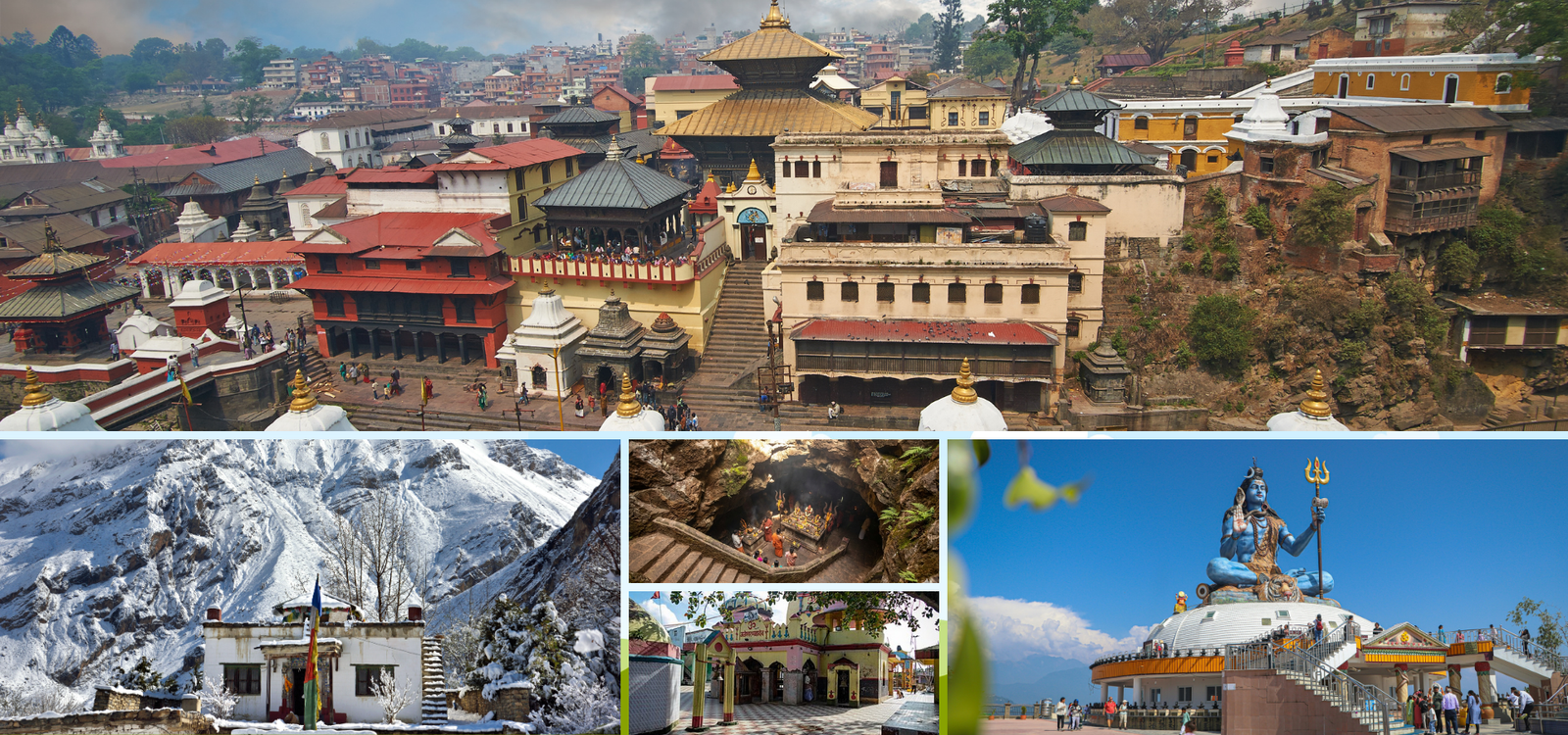
This is not a tour. This is a tīrtha-sandhi,a sacred crossing from the world of forgetting to the world of smaraṇa (remembrance). From the moment you land in Kathmandu, we do not "pick you up." We deliver you to Pashupatinath, where priests press a Rudrāksha into your palm that pulses like a heart you didn't know you had. They place sandalwood Tilaka on your forehead—not as a mark, but as a cakṣu—an eye that finally opens to see what has always been there: you are not separate from the one you seek.

You do not "drive" from temple to temple. You ascend through realms,from Pashupatinath's agni-tattva (fire) to Gokarneshwor's jala-tattva (water blessing your ancestors) to Halesi's pṛthivī-tattva (earth-cave where Shiva himself hid) to Pokhara's vāyu-tattva (wind-moved lakes) to Tatopani's tāpa-sikta (fire-boiled purification) to Muktinath's ākāśa-tattva (ether-space where liberation is not achieved but remembered).

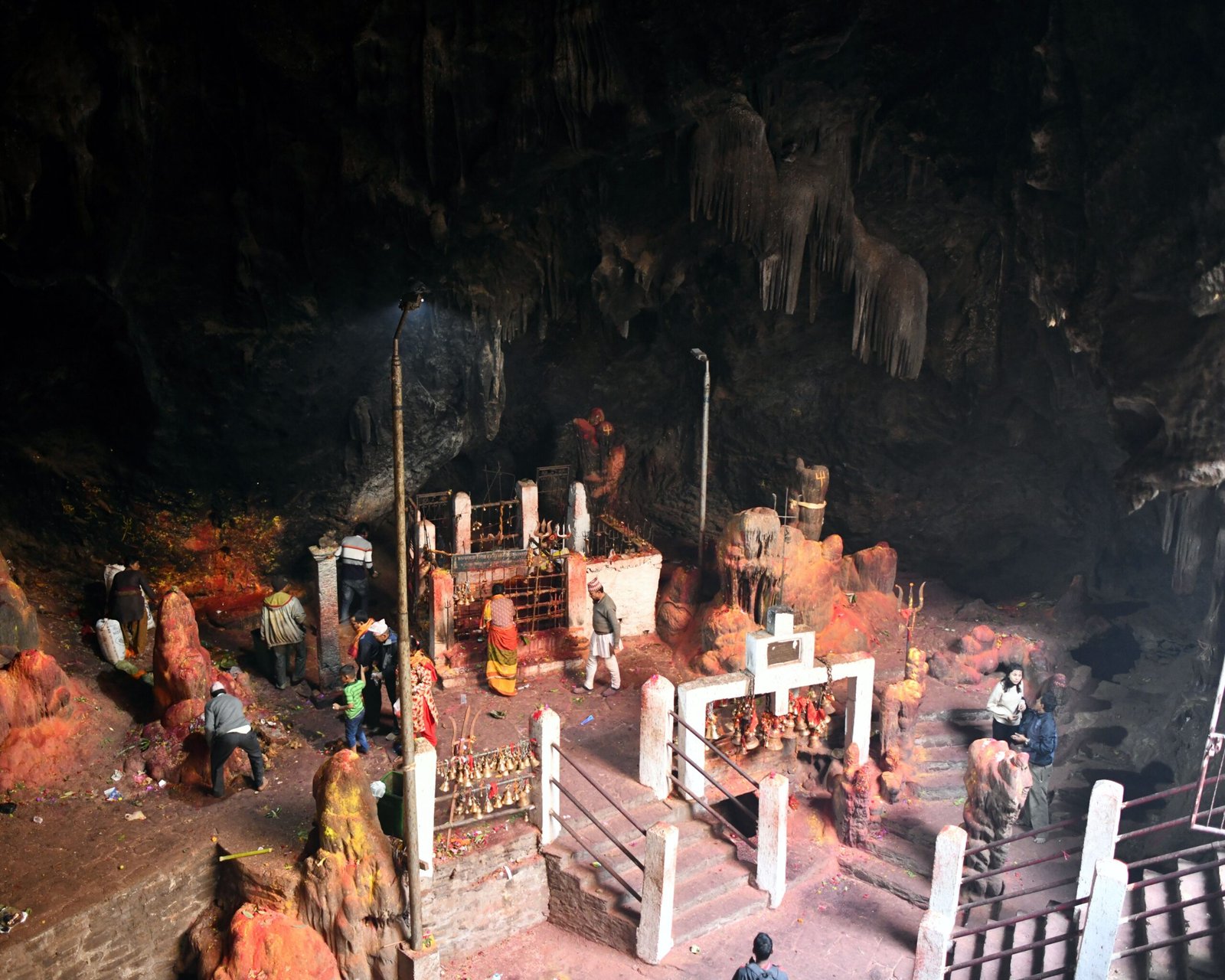
At Doleshwor, you don't just see the "Head of Kedarnath." You complete a darshan that has been waiting for you since the last time you stood before Kedarnath in a body you no longer remember. At Halesi's 6,000-year-old cave, you don't enter stone. You enter the moment when Shiva becomes alinga (formless) to escape Bhasmasur and you realize you are that formlessness, escaping the demon of your own mind. At Jaleshwor, where Sita once prayed, you don't just visit. You reclaim the purity of your own devotion. At Muktinath's 108 spouts, the water doesn't just cleanse your body. It pierces your 108 karmic knots, each drop a mantra spoken by the elements themselves.

This is a journey where airport pickups happen at temple ghats, where drivers are satsang leaders, where meals are prasāda, and where your return to Kathmandu is not an ending but a vimukti, the state where you realize you were never bound in the first place.

They have been waiting. The only question is: have you?


Insurance
Self, high altitude insurance

Detailed Itinerary

Day 1 Kathmandu—The Summons Begins

Plan: Arrival → Hotel snan → Evening Pashupatinath ārati

After we pick you from Kathmandu airport and transfer you to your hotel for a ritual snan (bath) to cleanse travel dust, we take you to Pashupatinath Temple for the evening ārati. The priest places Rudrāksha in your palm,it pulses like a living fragment of Shiva. The Tilaka on your forehead is not sandalwood; it's a cakṣu (spiritual eye) opening. The river mist is śīta and śuddha. Your breath slows. You are home.

Overnight: Kathmandu

Day 2 Day 02: Kathmandu—The Circle of Shiva's Forms

Plan: Morning Pashupatinath darshan → Gokarneshwor Mahadev → Kailashnath Mahadev, Sanga → Doleshwor Mahadev → Dhulikhel

After morning darshan at Pashupatinath, you visit Gokarneshwor Mahadev on the Bagmati's banks. Here, you perform tarpaṇa for ancestors,seven generations receive śānti. At Kailashnath Mahadev Sanga, the world's tallest Shiva statue (144 feet) doesn't just loom; it sthiratva (stillness) your chaos. At Doleshwor Mahadev, you don't see a temple. You complete a darshan that began at Kedarnath lifetimes ago. The drive to Dhulikhel is a dhyāna-mārga where the Himalayas appear as pratyakṣa (direct perception) of your own highest nature.

Overnight: Dhulikhel (Sunrise here is not light; it's prabhāsa—dawn of the soul.)

Day 3 Dhulikhel → Halesi Mahadev (The Road to Where Shiva Hid)

Plan: Morning departure → 6-hour scenic drive → Evening temple walk

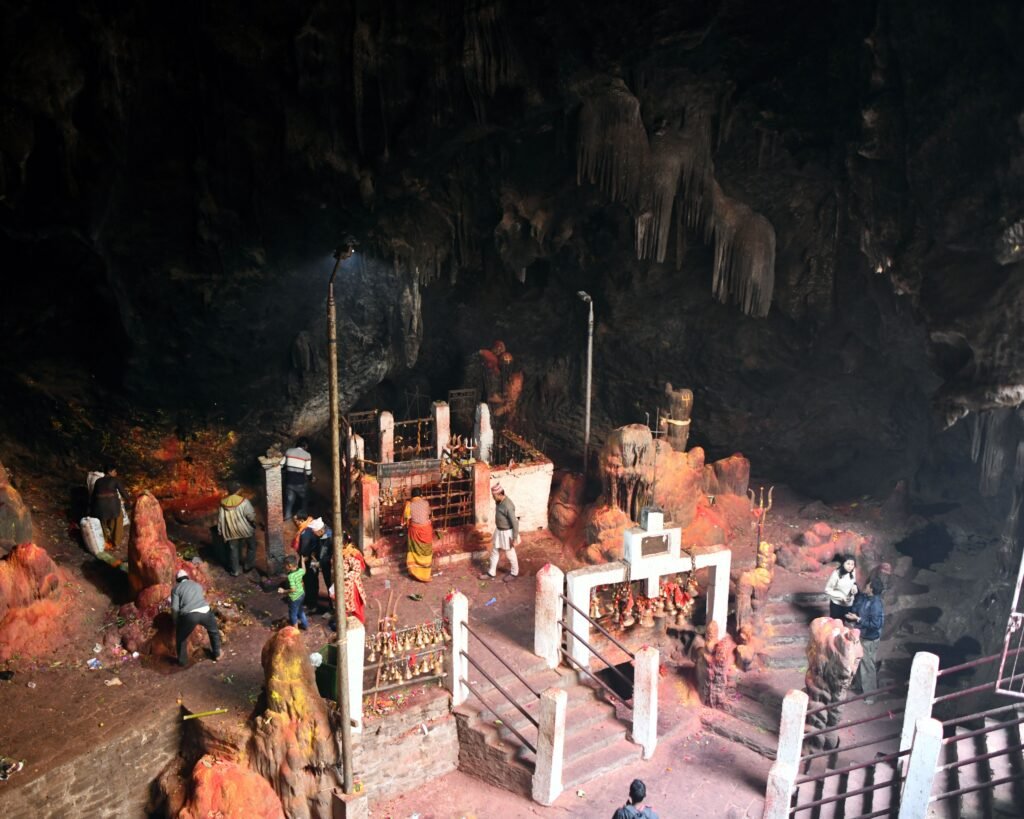
The road to Halesi is not asphalt; it's ākāśa-raja (sky-dust) mixed with ancient stories. As you pass Nepalthok, Ghurmi, the landscape becomes a yantra (sacred diagram). By evening, you walk barefoot on Halesi's cool stone,the same stone where Shiva became alinga to escape Bhasmasur. The cave's darkness has sparśa (tangible texture). You touch the swayambhu (self-manifest) lingam and feel your own form dissolving. Tears flow,you don't know why, only that you have met the one you ran from.

Overnight: Halesi (The silence is not empty. It is pūrṇa-fullness.)

Day 4 Halesi → Janakpur (From Shiva's Cave to Sita's Home)

Plan: Morning darshan → 6-hour drive → Evening Janaki Temple

Before dawn, you perform snāna in Halesi's silence. The Bhairav Cave burns away residual fear. The Cow Cave teaches you that prema (divine love) needs no form,just devotion. Then you drive to Janakpur, where Sita's temple stands as mādhurya (sweet intimacy) itself. Janaki's presence doesn't just bless marriages; she re-minds you of the vow you made to the truth. You walk the same corridors where Ram and Sita's eyes first met. Your heart contracts with vātsalya,the parental love of the divine for you.

Overnight: Janakpur

Day 5 Janakpur → Jaleshwor → Pokhara (From Sita's Truth to Shiva's Water)


Plan: Morning Jaleshwor → 6-hour drive → Evening Lakeside Pokhara

At Jaleshwor Mahadev, you touch the jala-śivalinga (water lingam) that Sita herself worshiped. The water here doesn't just purify; it resonates with satya (absolute truth). Then you drive to Pokhara, where Phewa Lake greets you not as water but as cid-ākāśa (consciousness-space). The evening walk is a pradakṣiṇa (circumambulation) of your own reflection—Annapurna mirrored in water, your face mirrored in the lake. You are both.

Overnight: Pokhara

Day 6 Pokhara Shiva Circuit (The Hidden and the Revealed)

Plan: Gupteshwor Cave → Kedareshwor Mahadev → Bindhyabasini Temple → Optional Peace Pagoda

You enter Gupteshwor Mahadev Cave—Shiva gupta (hidden) in stone, teaching you that the greatest treasures are antar (inner). At Kedareshwor, you don't see "Mini Kedarnath." You see Kedāra (the field of liberation) manifesting wherever devotion is pure. Bindhyabasini on the hilltop doesn't just protect; she dṛḍha (steadies) your wavering mind with her śakti-dṛṣṭi (empowered gaze). The optional Peace Pagoda sunset is śānti that doesn't quiet the world, it amplifies the silence within.

Overnight: Pokhara

Day 7 Pokhara → Tatopani (Boiling the Ancestral Self)

Plan: 6-hour scenic drive → Evening hot spring bath

The drive through Beni and Myagdi valley is a descent into pātāla (underworld) that is actually the garbha-gṛha (womb-chamber) of the earth. At Tatopani, you don't "bathe." You santiṣṭha (sacrifice) your pain to the agni-tattva that heats these waters. The heat doesn't just relax muscles; it boils away ancestral karma,stories your grandmothers couldn't tell, wounds your father couldn't heal. You emerge śuddha,ancestrally clean.

Overnight: Tatopani

Day 8 Tatopani → Muktinath (The Final Ascent to Freedom)

Plan: 6-hour drive → Evening darshan of 108 spouts and Jwala Mai

The drive to Muktinath is an utkraanti (ascent) through the Kali Gandaki gorge, the world's deepest. The landscape becomes lunar, śūnya,yet each rock whispers prajñā (wisdom). At Muktinath, you don't "visit." You arrive. The 108 water spouts are not brass pipes; they are vajra-śṛṅkhalā (diamond chains) that pierce each of your 108 karmic knots. The Jwala Mai flame doesn't burn from gas; it burns from tattva-siddhi,the revelation that fire can emerge from water, that liberation can emerge from bondage. You are mukta (free). Not in the future. Now.

Overnight: Muktinath / Jomsom

Day 9 Muktinath → Chitwan (From Sky-Liberation to Earth-Wildness)

Plan: 7-hour drive → Evening jungle rest

You descend from ākāśa (ether) to pṛthivī (earth). The drive is pratyāgamaṇa (return) that is not a retreat but an expansion. In Chitwan's jungle, you don't "see wildlife." You recognize the pāśu-vimokṣa (animal-liberation) within yourself,the raw, untamed, beautiful divine that needs no temple, only wilderness. The jungle's roar is Nandi's call reminding you that Shiva rides not just a bull, but your own wild heart.

Overnight: Chitwan (Sauraha)

Day 10 Day 10: Chitwan → Kathmandu (The Circle That Was Never Broken)

Plan: 5-hour drive → Evening free for rest or temple visit

After breakfast, you return to Kathmandu—but you never left. The circle is pūrṇa (complete), yet unending. The city is loud, but you carry the jungle's silence, Muktinath's liberation, Halesi's mystery, and Pashupatinath's flame inside your hṛdaya. Your final evening is free because you are now svatantra (self-mastered). You may visit any temple, but you don't need to. You are the temple.

Overnight: Kathmandu

Highlights: What Makes This Yatra Unforgettable

  • Pashupatinath Darshan – Where your soul is recognized, not welcomed
  • Gokarneshwor Blessing – Where seven generations of ancestors receive peace
  • Kailashnath Sanga – Where the world's tallest Shiva statue dissolves your obstacles
  • Doleshwor Completion – Where you finish the darshan of Kedarnath that began lifetimes ago
  • Halesi Cave – Where Shiva hid from demons—and where you hide from your own forgetting
  • Janakpur's Sita Temple – Where the Ramayana's devotion heals your own relationships
  • Jaleshwor Mahadev – Where Sita's prayer protects your family harmony
  • Pokhara's Gupteshwor Cave – Where Shiva hidden in stone teaches you to find him within
  • Tatopani Hot Springs – Where fire boils away ancestral pain and bodily karma
  • Muktinath's 108 Waters – Where the elements themselves grant moksha
  • Chitwan Jungle – Where nature's rawness reminds you of your own wild divinity

What's Included

  • Private transport (airport pickup/drop + all drives)
  • Hotels: 2 nights Kathmandu, 1 night Dhulikhel, 1 night Halesi, 1 night Janakpur, 2 nights Pokhara, 1 night Tatopani, 1 night Muktinath/Jomsom, 1 night Chitwan
  • 3 times meal daily (pure vegetarian)
  • Farewell gifts (Yatra Journal, spiritual mementos)
  • Temple entry permissions
  • Acharya-led spiritual guidance
  • Medical kit with altitude medication
  • 24/7 emergency support

What's Not Included

  • Any extra nights beyond itinerary
  • Visa fees
  • International flights to/from Kathmandu
  • Personal medical expenses
  • Personal expenses and shopping
  • Beverages ( Tea, Coffee, Milk, Juice or any )

Packages & Booking

Location 2 PAX 4-6 PAX 8-10 PAX 10+ PAX
Shiva Parikrama $1480 $1380 $1280 $1000

Map & Routes

Map & Routes

Accommodation

Standard Hotel

3-star hotels

Comfortable accommodation with modern amenities

Luxury Hotels

4-star hotels

Luxurious experience for little extra expenditure

Ready to Begin Your Journey?

Contact us to learn more about this pilgrimage package

Frequently Asked Questions

1 What is the best time to visit?

The best time to visit is during the pilgrimage season from May to October when the weather is favorable and all routes are accessible.

2 What is the difficulty level of this pilgrimage?

This pilgrimage is moderate in difficulty. Basic physical fitness is required as there will be walking at high altitudes.

3 What should I pack for the journey?

Essential items include warm clothing, comfortable walking shoes, rain gear, sunscreen, and any personal medications.

Muktinath Yatra

Muktinath Yatra

8-Day Pilgrimage Through Fire, Water, and the Sky-Realms of Liberation

8 Days Trip
Starting From
Best Deal
$1000 /Person
DESTINATION Muktinath Yatra
DURATION 8 Days
MAX. ALTITUDE 3,710 m
GRADING Easy
GROUP SIZE 2-15
ACCOMMODATION Hotel and Tea-House
TRANSPORTATION Bus, Van, and Jeep
MEALS Breakfast, Lunch, Dinner
BEST TIME All year round

Detailed Itinerary

Day 1 Arrival in Kathmandu - Your Spiritual Welcome

Plan: Airport pickup → Hotel for snan/bath (ritual freshening) → Evening Pashupatinath ārati (if time permits)

What Happens: You land in Kathmandu and we take you to your hotel for a ritual snan (bath)—cleansing travel dust from body and soul. Fresh and light, you then visit Pashupatinath Temple where priests perform your holy welcome. They press cool sandalwood Tilaka on your forehead and give you a pulsing Rudrāksha bead. The Bagmati's mist, temple bells, and evening ārati flames make your breath slow for the first time in years.

Overnight: Kathmandu

Day 2 Kathmandu → Pokhara (Crossing from Earth to Water Realm)

Plan: Morning departure → Drive (6-7 hrs) or 25-min flight → Evening Lakeside walk

What Happens: After morning breakfast, you cross from the earth realm of Kathmandu to the water realm of Pokhara. The drive is a prārthana (moving prayer) through terraced fields and roaring rivers. If you fly, the 25 minutes are a dṛṣṭi (vision) of the Himalayas from above. By evening, you walk Lakeside Pokhara, the water reflecting the Annapurnas like a darpana (mirror) of your own potential.

Overnight: Pokhara

Day 3 Rest & Sightseeing in Pokhara (Integration Day)

Plan: Late wake-up → Optional boating, Peace Pagoda, Davis Falls, Gupteshwor Cave

What Happens: This is a pūrti (fulfillment) day. You sleep late because your soul needs to catch up with your body. After breakfast, you may boat on Phewa Lake, the oars dipping in rhythm with your heartbeat. The Peace Pagoda offers śānti (peace) that isn't quiet—it's full. At Davis Falls and Gupteshwor Cave, water disappears into earth and emerges as a mystery—a māyā (divine illusion) teaching you that form is never lost, only transformed. You don't "sightsee." You darshan—you see with sacred eyes.

Overnight: Pokhara

Day 4 Pokhara → Tatopani (Boiling Away the Old Self)

Plan: 3-4 hr scenic drive → Lunch en route → Evening hot spring bath

What Happens: After morning breakfast, you drive into the Kali Gandaki gorge—the world's deepest. At Tatopani, you don't just "bathe" in hot springs. You offer your tiredness to the fire-heated waters. The agni-tattva (fire element) dissolves ancestral pain, karmic knots, and the dust of a thousand forgotten lives. You emerge not just clean, but śuddha—purified at a cellular level. This is tāpa-sikta (fire-bathed) renewal.

Overnight: Tatopani

Day 5 Tatopani → Jomsom (Ascending to the Wind Realm)

Plan: 3-4 hr scenic drive → Waterfalls, villages → Evening rest in Jomsom

What Happens: After morning breakfast, you ascend to Jomsom, where the vāyu-tattva (wind element) rules. The landscape becomes lunar, barren, śūnya—yet full. You pass waterfalls that are not water but gaṅgā falling from invisible heavens. You cross villages where people are as ancient as the stones. By evening in Jomsom, the wind is so strong it strips words from your mouth, leaving only mauna—the language of the sacred.

Overnight: Jomsom

Day 6 Jomsom → Muktinath → Jomsom (The Day of Moksha)

Plan: Early morning drive to Muktinath (1.5 hrs) → Temple darshan, 108 spouts, Jwala Mai → Optional Kagbeni walk → Return to Jomsom

What Happens: This is the day the soul remembers it's free. You reach Muktinath as dawn breaks, the temple gleaming like svarṇa (gold) against the stark earth. You walk through the 108 water spouts—each one a vajra piercing a karmic knot. The water is ice-fire that doesn't just cleanse; it liberates. The Jwala Mai flame burns from stone—fire born of water/earth, a tattva-siddhi (mastery of elements) that proves all is one. You may walk to Kagbeni, the gateway to Upper Mustang, where time is sthiratva (stillness) itself. Return to Jomsom carrying moksha in your chest—not as a concept, but as prāṇa.

Overnight: Jomsom

Day 7 Jomsom → Marpha → Pokhara (The Sweetness of Return)

Plan: Morning drive to Marpha → Apple orchards, monastery → Afternoon drive to Pokhara

What Happens: After morning breakfast, you drive to Marpha—an oasis of sweetness in the desert Himalaya. The apple orchards are not just trees; they're kalpa-vṛkṣa (wish-fulfilling trees) reminding you that even in austerity, the divine offers madhura (sweetness). The monastery's prayer flags flutter like deva-sandeshas (divine messages). Then you descend to Pokhara, the water realm welcoming you back, reflecting the mountains that now live inside you.

Overnight: Pokhara

Day 8 Trek to Sonprayag, Drive to Rudraprayag.

Plan: Morning departure → Drive or flight back → Drop at hotel or airport

What Happens: After morning breakfast, you return to Kathmandu—not as the person who left, but as vimukta (one liberated). The drive is a parikrama of your own transformation. The plane is a vimāna (celestial vehicle) carrying a soul that has tasted moksha. We drop you at your hotel or airport, but the journey doesn't end. Muktinath is now your heartbeat.

Tour Overview: How This Journey Will Liberate You

This is not a tour. This is a tīrtha—a sacred crossing from bondage to moksha. You don't arrive in Kathmandu as a tourist; you are welcomed at Pashupatinath Temple where priests press Rudrāksha into your palm and awaken your Ajñā chakra with Tilaka, initiating you into a journey where every mile is a mantra. You don't drive to Muktinath; you ascend through realms—from Pokhara's lakeside serenity to Tatopani's healing fires, from Jomsom's wind-scoured silence to the sky-temple of Muktinath where the elements themselves perform ārati.

At Muktinath, you don't "visit" a temple—you dissolve into liberation. The 108 water spouts don't just cleanse your body; they pierce your 108 karmic knots. The eternal flame (Jwala Mai) doesn't just burn; it consumes your final attachments. The thin air at 3,800m doesn't just challenge your lungs; it strips your ego bare. This is the place where Vishnu and Buddha both found release. Where earth, water, fire, air, and ether coexist in perfect harmony. Where you remember that you were never bound.

This is a journey where hot springs at Tatopani boil away ancestral pain, where Marpha's apple blossoms teach you that even in the harshest deserts, sweetness grows. Where airport pickups happen at temple ghats, where meals are prasāda, and where your return to Kathmandu is not an ending but vimukti—the living, breathing state of liberation.

Insurance
Self, high altitude insurance

Highlights: What Makes This Yatra Unforgettable

  • Spiritual welcome at Pashupatinath – Evening or morning ārati with energized Rudrāksha and personal Tilaka
  • Sacred ascent through realms – Pokhara's water → Tatopani's fire → Jomsom's wind → Muktinath's ether
  • Muktinath's 108 spouts – Purification of body, mind, and 108 karmic knots
  • Jwala Mai eternal flame – Witness fire burning from water/earth (natural methane flame)
  • Tatopani hot springs – Physical and ancestral pain boiled away in healing waters
  • Marpha's desert paradise – Apple orchards and monasteries in the arid Himalaya
  • Kagbeni village walk – Gateway to Upper Mustang, where time stands still
  • No rush, full integration – Leisure days in Pokhara for rest and reflection
  • All-inclusive spiritual care – Permits, purified meals, 24/7 support, Acharya guidance

What's Included

  • Private transport (airport pickup/drop + all drives)
  • Accommodations during tour
  • 3 times meal daily (pure vegetarian)
  • 2 times coffee/tea daily
  • Farewell gifts
  • Temple entry permissions
  • Acharya-led spiritual guidance
  • Medical kit with altitude medication
  • 24/7 emergency support

What's Not Included

  • Any extra nights beyond itinerary
  • Visa fees
  • International flights to/from Kathmandu
  • Personal medical expenses
  • Personal expenses and shopping

Packages & Booking

Location 2 PAX 4-6 PAX 8-10 PAX 10+ PAX
Kathmandu $1000 $850 $650 $600

Map & Routes

Map & Routes

Accommodation

Standard Hotel

3-star hotels

Comfortable accommodation with modern amenities

Luxury Hotels

4-star hotels

Luxurious experience for little extra expenditure

Ready to Begin Your Journey?

Contact us to learn more about this pilgrimage package

Frequently Asked Questions

1 What is the best time to visit?

The best time to visit is during the pilgrimage season from May to October when the weather is favorable and all routes are accessible.

2 What is the difficulty level of this pilgrimage?

This pilgrimage is moderate in difficulty. Basic physical fitness is required as there will be walking at high altitudes.

3 What should I pack for the journey?

Essential items include warm clothing, comfortable walking shoes, rain gear, sunscreen, and any personal medications.

Kedarnath Trek – Chardham Yatra

Kedarnath Trek – Chardham Yatra

12 Days Trip
Starting From
Best Deal
$125000 /Person

Detailed Itinerary

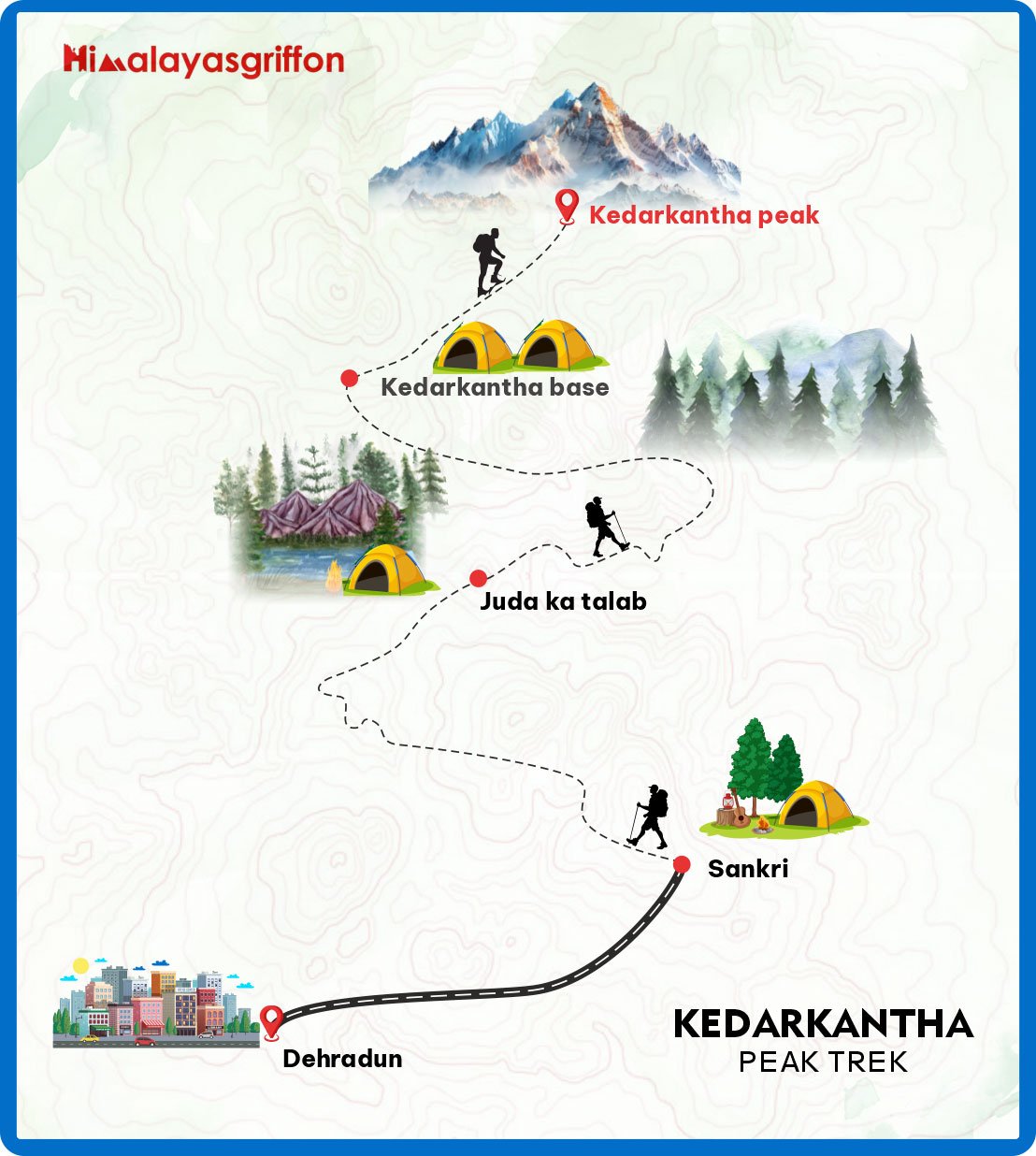
Day 1 Arrival in Delhi, Drive to Haridwar.

At (Your Arrival Time): Welcome to Delhi! Upon arrival at the airport or railway station, you will be warmly greeted by our local representative and ensure your transfers to Haridwar through a drive, which approximately takes around 6 hours.

Upon arrival, head towards the hotel, complete the check-in procedure, and have some rest. After resting for some time, you will be taken to visit Har Ki Pauri, which is a famous ghat located on the western side of the Ganga Canal. Daily Aaratis are conducted by the local priests here, watched by hundreds of worshippers. After visiting this religious ghat and witnessing its glorious temples, head back to your hotel and enjoy your overnight stay in Haridwar.

Meal: Dinner Included.

Day 2 Drive to Barkot.

At 07:00 AM: After having a fulfilling breakfast at your hotel, please prepare for your next travel plans. Check out of the hotel and get ready for your drive to Barkot via Dehradun and Mussoorie, which approximately takes 7 to 8 hours. Barkot is a hill station town located in the Uttarkashi district of Uttarakhand. It is popular for its scenic, picturesque flora and fauna sites and is also home to many religious temples and ashrams.

On the way, you’ll visit Kempty Falls. This is one of the most beautiful waterfalls that is located in Ramgaon in the south of Kempty. The waterfalls offer a breathtaking view of water cascading from a 50 feet altitude hill. There are also high cliffs, mountains, and much greenery surrounding the waterfall. After getting some snaps at the waterfall head directly towards Barkot which is approximately 77.6 kilometers from Kempty Falls and takes around 3 hours to reach. After reaching Barkot, you will be taken to your hotel. Complete the check-in procedures and enjoy your overnight stay.

Meals: Breakfast and Dinner Included.

Day 3 Drive to Yamunotri, Back to Barkot.

At 07:00 AM: Begin your day by having a fulfilling breakfast at your hotel. After breakfast, get ready for your visit to your first dham, the Yamunotri Temple. First you will drive to Jankichatti, a small town in Uttarkashi district, Uttarakhand, surrounded by lush, green mountains and popular for its hot water springs. You will have to walk from here to Yamunotri Temple, which is around 6 kilometers.

Note: You can choose to continue your journey to Yamunotri Temple by horse or doli (palanquin) at an additional charge.

As you reach the temple, you can find many hot  springs located in the vicinity. In one of these hot springs called the Surya Kund, devotees participate in a ritual of dipping rice in a muslin cloth in its hot waters and take the rice as prasad back home. If you want, you can take part in this unusual ritual as well. Additionally, near the Yamunotri temple, pooja thalis along with sweets can be offered to Divya Shila, which is nearby the Surya Kund. Divya Shila is a sacred stone that is believed to be the place where Goddess Yamuna, the daughter of Surya, first came to Earth. If you like, you can take a dip in Jamunabai Kund’s warm waters. After paying respects to the Goddesses Yamuna, you will return to Jankichatti, and then from there, you will drive back to Barkot for an overnight stay.

Meals: Breakfast and Dinner Included.

Day 4 Drive to Uttarkashi, Visit Vishwanath Temple.

At 07:00 AM: Wake up and get ready to head to Uttarkashi. After having your delicious breakfast, head to Uttarkashi via drive, which takes approximately 5 hours. Popular for its ancient-pictorial temples and stunning mountains, Uttarkashi is visited by hundreds of devotees every year.

After reaching Uttarkashi, check into your hotel and have some rest. In the evening, you will be visiting Vishwanath Temple, which is one of the oldest and most sacred temples in India. The temple also offers a view of Bhagirath Temple and nearby incredible mountains. After visiting and offering prayers at the temple, head back to the hotel. The rest of the day is yours to spend; you can relax and take some time to yourself.

Meals: Breakfast and Dinner Included.

Day 5 Drive to Gangotri, Back to Uttarkashi.

At 07:00 AM: Rise and Shine! Have your hearty breakfast and get ready to take on the day! Today you will be visiting Gangotri Temple, which is located at an altitude of 3048 meters and takes around 5 hours to reach by drive from Uttarkashi. On the way, you can enjoy the picturesque views of the Harsil Village, Bhagirathi River, and an epic view of the majestic Himalayas!

Gangotri is famous for its temples, in particular the Gangotri Temple. The temple is painted with a stunning white color and is decorated with bright garlands during special occasions. Nearby the temple, you can also see the holy river Bhagirathi, where during winter you can see the Jalmagna Shivling and the Kedar Ganga river flowing with views of tall, lush green deodar and pine trees, which give the place a calm, serene energy. Close by the temple, you can also see a natural shivling submerged underwater. After temple darshan, you'll be returning back to Uttarkashi and staying overnight there.

Meals: Breakfast and Dinner Included.

Day 6 Drive to Guptkashi, Visit Ardhnarishwar Temple.

At 07:00 AM: Goodmorning! Get ready for yet another journey! After having breakfast, you will be driving straight to Guptkashi, which approximately takes 8 to 9 hours to reach. Guptkashi is a charming city located in the Garhwal district of Uttarakhand and is known for its attractive temples, beautiful valley views, and abundant greenery.

En route, you can witness the gorgeous Mandakini River at Tilwara. Upon your arrival, head towards your hotel and complete the check-in, and take some rest. In the evening, you’ll be taken to the Ardhnarishwar Temple, a small temple that is dedicated to Lord Shiva and Goddess Parvati. Before entering the temple, you can wash your hands and feet in front of the two pavitra pauwas and enter the temple. After you are done offering your prayers, head back to your hotel and enjoy your overnight stay in Guptkashi.

Meals: Breakfast and Dinner Included.

Day 7 Drive to Sonprayag, Trek to Kedarnath.

At 07:00 AM: Begin your day by having a delicious breakfast at the hotel. Today you will be going to Sonprayag via drive. Upon reaching Sonparayag, a small village nestled between Rudraparayag and Gaurikund, start your 20 kilometers trek to Kedarnath. You can reach Kedarnath either on foot or get a horse/doli at an additional cost.

(As there are a few trekking routes to Kedarnath, depending upon the road and weather conditions, you will be guided to the route that is the most convenient to follow.)

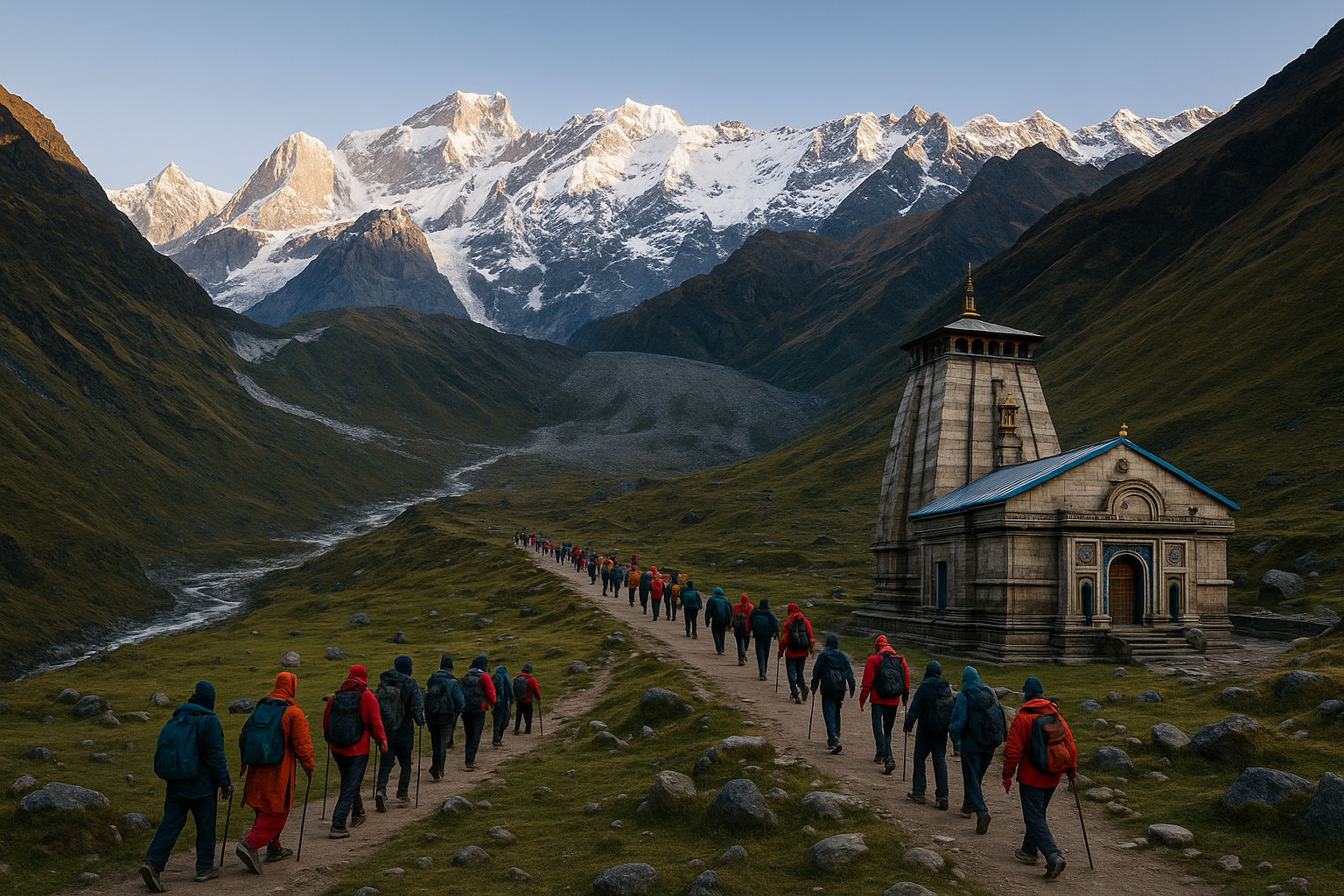
Upon arrival at Kedarnath, check in the hotel and have some rest. After that, you will be taken to Kedarnath Temple, dedicated to Lord Shiva. This beautiful temple also has statues of Lord Shiva, Pandavas, and Draupadi in it. The temple also has an inner sanctuary where it is used for worship and conducting religious ceremonies. Behind the temple, you can also see the breathtaking views of the Kedarnath Peak along with other beautiful mountain peaks. After this spiritual visit, return back to the hotel and enjoy your overnight stay.

Note: Make sure to carry all needed essentials like medicine, heavy woolen clothes, and toiletries for the overnight stay at Kedarnath.

Meals: Breakfast and Dinner Included.

Day 8 Trek to Sonprayag, Drive to Rudraprayag.

At 07:00 AM: Ready for another amazing journey ahead? After a delicious breakfast at the hotel, you will be visiting Kedarnath temple. After Darshan, start your trek back down to Sonprayag, and from there you will be taken to Rudraprayag through a drive via Guptkashi, which approximately takes 4 hours. Rudraprayag is a city and a municipality famous for its holy and ancient temples and majestic forests. Upon arrival, head to your hotel and complete the check-in procedure and enjoy the rest of the night in Rudraprayag.

Day 9 Drive to Badrinath, Badrinath Sightseeing.

At 07:00 AM: After having a delicious, hearty breakfast at your hotel, get ready for travel plans for the day! Today you will be traveling to Badrinath via Joshimath. The drive to Badrinath takes approximately 7 hours. After you reach Badrinath, head towards your hotel and complete the check-in procedure.

Later, in the evening, you will be guided to Badrinath Temple for the Aarati program. Badrinath Temple, dedicated to Lord Vishnu, is one of the oldest pilgrimage sites in India. Upon appearance, the temple is decorated in a multitude of bright colors and follows a North Indian architecture. It is also a common practice to take a dip in the waters of Tapt Kund (located between the Alaknanda river and the holy shrine of Badrinath) before visiting the temple. It is believed that the waters have healing properties and can cleanse one’s sins and purify their soul. After the darshan activities, end the day by returning to the hotel in Badrinath and stay overnight.

Optional: There are also nearby fabulous locations in Badrinath that you can visit, like: Tapt Kund, Narad Kund, Brahama Kapal, Sheshnetra, Charan Paduka, Mata Murti Temple, Mana Village, Vasundhara, BhimPul, and Vyas Gufa (cave).

Meals: Breakfast and Dinner Included.

Day 10 Drive to Rudraparayag via Joshimath.

At 07:00 AM: After having your delicious breakfast, get ready to have a bath in the Tapt Kund (natural spring) and darshan of Badrinath Temple.

Optional: You can also explore some other nearby destinations such as Bharakapal, Mana, Vyas Gufa, Maatamoorti, Charan Paduka, Bhimkund, and the “Mukh” of the Saraswati River located just within the three kilometers of Badrinath.

After this, you will be taken to Rudraprayag via Joshimath, which is estimated to take 7 to 8 hours. Joshimath is a town notorious for its remarkable mountains and many trekking and mountain expeditions. Home to a plethora of gorgeous Hindu temples, you can see many scenic mountains and temples on your way to Rudraprayag. Rudraprayag is a municipality town settled in the Rudraprayag district of Uttarakhand. This town is well known for its dazzling glaciers, rivers, and streams. After reaching this beloved town, head towards your accommodation, as you will be spending the night in Rudraprayag.

Meals: Breakfast and Dinner Included.

Day 11 Drive to Haridwar, Rishikesh Sightseeing.

At 07:00 AM: After having a hearty breakfast at the hotel, you’ll be heading to Haridwar, which takes approximately 8 hours. On the way, you’ll be visiting Rishikesh. It is located in the Dehradun district of Uttarakhand and is well-known for its spiritual yoga retreats, exciting hikes, and splendid temples and ashrams. After reaching Haridwar, head towards the hotel and complete the check-in procedure. After that, you will be visiting Rishikesh Temples and going for some sightseeing in places such as:

  • Laxman Jhula: Another fantastic sightseeing destination is the Laxman Jhula! Carrying a big cultural significance in India, visitors are able to witness a beautiful panoramic view of the holy river Ganga and see the fascinating city of Rishikesh from the bridge. Connecting Pauri and Tehri districts, Laxman Jhula is a top sightseeing destination in India for sure!
  • Ram Jhula: This Jhula is another suspension bridge that floats above the Ganga river. Visitors are able to see the beautiful, cascading Ganga river while catching glimpses of the lush greenery and local villages of Rishikesh. This bridge connects Sivananda Ashram with Swargashram and has been a useful traveling path for residents of the city.
  • Triveni Ghat: Triveni Ghat is one of the most sacred ghats in India. In the triveni ghat, there are evening aartis conducted on an everyday basis, which is surely a magical and spiritual site to experience! Many bhajans and kirtans are also sung, and there are devotees seen taking a bath on the banks of the Ganga river. 
  • Bharat Mandir: Another popular destination in Rishikesh is the Bharat Mandir. Surrounding the temple are many sacred trees, like Peepal and Bail, which add a serene and peaceful energy to the place. In the temple, there are many old stone sculptures decorated in garlands where pooja items and sweets could be offered to the many gods and goddesses in the temple.
  • Sivananda Ashram: This Ashram is famous for its calming and peaceful ambience! This ashram is perfect for individuals who want to relax and learn about meditation and yoga while getting in touch with their spiritual sides. There is an audio-visual studio with a library incorporated in it and an attractive bhajan center. After visiting the ashram, you’ll truly feel lighter and calmer and ready to take on the rest of the day!
  • Parmarth Niketan Ashram: In the evening, you’ll be going to Parmarth Niketan Ashram. This is a spiritual center located in Rishikesh. The ashram has many lush green areas and offers rooms and cottages for devotees seeking to learn yoga and meditation. You’ll be attending the Ganga Arati program among the other programs. The ashram’s priests sing many devotional songs and prayers, where you can sing and participate and be a part of the spiritual experience of the ashram.

After you’re done visiting all these breathtaking locations, you’ll return back to the hotel and stay overnight at Haridwar.

Meals: Breakfast and Dinner Included.

Day 12 Departure, Farewell!

At 07:00 AM: It’s hard to believe that your Chardham Tour is coming to an end! We hope you made lots of wonderful memories along the way! After having breakfast at the hotel, prepare to drive back to Delhi, which takes approximately 6 hours. Upon arrival, transfer to the airport or railway station according to your travel schedule. Stay safe, and may the memories of your amazing travel days always stay with you!

Note: If you are heading back by flight, reach the airport 3 hours before your flight schedule.

Meal: Breakfast Included.

Overview

Are you dreaming of completing one of the most glorious and sacred Hindu pilgrimages of your life? No worries, we’ve got you covered with our 12 days Chardham Yatra from Nepal! Talking about the Chardham Yatra, every year millions of devotees from all corners of the world go on this pilgrimage, as it is believed that going on this auspicious journey helps one in achieving "Moksha," or simply put, one is free from the continuous cycle of life, death, and reincarnation and is able to achieve salvation. Additionally, for travel enthusiasts, this expedition offers an opportunity to delve into India’s astounding natural and epic attractions! You will be visiting destinations that are almost picture-perfect and definitely on everyone’s bucket list!

This highly prestigious Chardham Yatra from Nepal will take you on an enlightening and transformative journey, where you’ll witness four of India’s most prestigious and sacred temples, namely, Yamunotri, Gangotri, Kedarnath, and Badrinath! With this, you’ll also get to experience Uttarakhand's rich and thriving culture and heritage firsthand! On the tour, you’ll get to visit other famous ancient and historic temple sites in Uttarakhand, catch a glimpse of the mesmerizing snow-capped mountains of the Garhwal Himalayas, explore some of India’s finest ashrams and meditation centers in Rishikesh, and visit the sacred kunds believed to carry magical healing powers!

OPENING DATES FOR THE CHARDHAM PILGRIMAGE

Everyone going on the Chardham pilgrimage needs to register before traveling to these four temples. The government of Uttarakhand has implemented a system of compulsory registration for all pilgrims to streamline the process and ensure the safety and convenience of the devotees. The Chardham sites do not remain open all year round due to weather conditions such as heavy snowfall. The opening and closing dates for the Chardham Tour start from Akshay Tritiya (April May) and end on Devthani Ekadasi (October November). All the pilgrims visiting the Chardham Tour should register 1 to 2 months before traveling to these sites so the dates are not booked and you can easily fill out the registration form at your convenience.

Now let’s get to know more in detail about the brilliant state of Uttarakhand, where all the sacred Char Dham sites are located!

Uttarakhand - Dev Bhoomi of India

Located in the northwestern part of India, Uttarakhand, also known as “Dev Bhoomi” which translates to “The Land of Gods” is a state that has remained a top-notch destination for many travelers for a reason! This enchanting city is located on the foothills of the marvelous Himalayan mountain range and is bordered by China in the northern part and Nepal to its eastern side. Rich in agriculture and biodiversity, Uttarakhand has a plethora of scenic locations ranging from icy-snow-capped mountain areas to luscious green forest zones and is home to the four major dham’s in India. This state of Uttarakhand is divided into two divisions: Garhwal and Kumaon, with 13 districts in total along with two of the most sacred rivers: the Ganga and Yamuna. In the beautiful land of Uttarakhand, you will be visiting these four major dham’s:

Yamunotri

Yamunotri, a city located in the Uttarakhand district, is one of the prestigious Chardham pilgrimage sites. It is situated at an altitude of 3,293 meters (10,804 ft) and is the source from where the sacred Yamuna river flows. According to Hindu mythology, Yamunotri was the home of sage Asit Muni, who used to meditate on the banks of the prestigious Yamuna River and was truly devoted to the goddess Yamuna. In Yamunotri, you will be exploring:

  • Yamunotri Temple: Located in the western side of the Himalayas, built first by King Naresh Sudarshan Shah in the 18th century and then reconstructed in the 19th century by Guleria Devi after a devastating earthquake. The Yamunotri temple is dedicated to goddess Yamuna, where the prestigious statue of the Goddess is kept in the innermost sanctuary of the temple. During the trek to the holy Yamunotri temple, you can see beautiful waterfalls, green deodar forests, and the views of icy snow-capped mountains, which highlight the beauty of religious dham. For many Hindus all around the world, the Yamunotri Temple holds significant importance in their lives. Decorated in beautiful necklaces and colorful garlands, millions of devotees travel all around the world to come to this site to pay respect and complete the darshan activity.

There is also a prestigious Surya Kund (thermal spring)Divya Shila, also known as a slab of divine light that is worshiped highly here, where you can offer pooja sets and sweets and take a dip in the Jamuna Bhai’s Kund.

Gangotri

Gangotri, another holy Chardham pilgrimage site, is a charming town nestled in the Uttarkashi district of Uttarakhand. Renowned for the sacred Gangotri temple located here, this town is located at a height of 3048 meters. Popular for its pictorial glaciers, hot water springs, hidden caves, and the Gangotri National Park, Gangotri is more than a small town; it is one of those places that carries a lot of religious and cultural significance for a lot of Hindus.

Travelers also visit Gangotri to participate in fun and thrilling activities such as hiking and trekking and, at the same time, are able to catch a glimpse of the majestic Gangotri glaciers and glorious mountains such as the Garhwal Himalayas, Mount Meru, and Mount Shivling, among others. The origin of the sacred Ganga river begins from the Gangotri glacier. En route, you can enjoy views of Harsil village, Bhagirath river, and sceneries of the splendid Himalayas on the way to Gangotri. You will be going to these prestigious places in Gangotri:

  • Gangotri Temple: Explore the temple, which is located in Uttarakhand. This temple was built by Amar Singh Thapa in the 18th century. The inner sanctum of this religious site has the idols of Goddess Ganga (as the temple is dedicated to the Goddess), Yamuna, Saraswati, and Annapurna. Going on a bit about the architecture of the temple, this prestigious dham is built in an impressive Nagara style, meaning that the temple is perched at a platform and stairs are needed to reach the doors. The exterior of the temple has many stunning sculptures, which are definitely eye-catching! Built in a Katyuri architecture style, the temple is decorated with detailed carvings and scriptures considered important in Hinduism. Besides the temple, you can also see the Bhagirathi river flowing in the nearby distance.
  • Jalmagna Shivling: Dedicated to Lord Shiva, this shivling is another major attraction that is located near the Gangotri Temple. The shivling is submerged in the Bhagirathi river, and during the winter, you can catch a glimpse of the shivling when the water level decreases in the river.
  • Kedar Ganga Sangam: This is the converging point of two important rivers: Bhagirath (which is the source of the Ganga river) and Kedar Ganga (which is connected with Kedarnath) and stands as a symbolical point of unity and sanctification in India.

Kedarnath

The town of Kedarnath, the third Chardham pilgrimage site, formerly known as “Kedar Khand,” is surrounded by the majestic Garhwal Himalayas. It is located at an altitude of 3586 meters and is situated near the splendid Chorabari glacier. The name “Kedarnath” came from the Sanskrit words "Kedara,” meaning field, and "Natha,” meaning lord, so the land of Kedarnath is synonymous with “Lord's Field." Along with the famous Kedarnath Temple being located here, this town also has many other well-loved destinations, such as Vasuki Tal, Bhairavnath Temple, Adi Shankaracharya Samadi, and Gaurikund. Kedarnath is a prominent part of the Chardham pilgrimage tour. In this major city of Kedarnath, you will be visiting:

  • Kedarnath Temple: Built by Jagad Guru Adi Shankar, the temple is one of the famous destinations in India. The temple is dedicated to Lord Shiva and is built with large gray stones. Within the temple, a conical rock sculpture is placed, also known as Lord Shiva’s “Sadashiva” form, which is worshiped by devotees coming to visit the temple. The inner walls of the temple are decorated with scriptures and pictures of various Hindu deities, which highlight the significance of the temple. The main highlight of the temple is the unique shaped shivalinga, which is said to be Lord Shiva's hump in his bull form and is linked to Nepal's Doleshwor Mahadev Temple, which is believed to be Lord Shiva's head.

Badrinath

Another pilgrimage site of this Chardham tour is Badrinath. Badrinath is a municipal town that is located at an elevation of approximately 3100 meters along the banks of the Alaknanda River. Badrinath is home to the world renowned Badrinath Temple. This town also has the marvelous Alaknanada River and Mountain Neelkanth, along with the Badrinath waterfalls, which have become a major hotspot for many tourists visiting Badrinath. In Badrinath, you will be exploring these places:

  • Badrinath Temple: One of the highly reputable temples in India is the Badrinath temple. Located at an approximate elevation of 3100 meters, the temple stands at a height of 50 meters. Painted in a multitude of bright colors and decorated with garlands, the top part of the temple has a small cupola (dome). The temple is divided into 3 sections: the Garbha Griha (inner sanctuary), the Darshan Mandap, where holy rituals are conducted, and the Sabha Mandap, where pilgrims can assemble and pay respects to the gods of the temples.The temple is dedicated to Lord Vishnu, where a black granite stone is kept inside the temple as a symbol of Lord Vishnu, so a lot of Vishnu followers can be seen visiting this prestigious temple. There are many statues of Badrinarayan, Uthavar, Kuber, Chandikadevi, Ram, Lakshaman and Sita kept in the inner sanctum sanctorum.
  • Tapt and Narad Kund: The tapt kund (thermal spring) is located between the Alaknanda river and the holy shrine of Badrinath and similarly, the Narad kund is situated at the end of the Badrinath temple. It is believed that taking a dip in these kunds can cure pilgrims of many illnesses, as the waters in the kund contain many therapeutic properties.

Apart from visiting the prestigious Chardham sites, you will be traveling to these popular destinations as well, such as Haridwar, Kempty Falls, Uttarkashi, Guptkashi, and Rishikesh.

Haridwar - Gateway to Gods

Haridwar is another beautiful destination you’ll be going to on this tour! It is considered the gateway to the Chardham religious tour. Home to Har Ki Pauri, one of the many holy sites in India, it is a city famous for its historical attractions and vibrant markets. Haridwar is considered one of the seven pilgrimage sites in India. In Haridwar, you will be going to these popular destinations:

  • Har Ki Pauri: Visit this ghat located on the banks of the holy Ganga river that has remained a religious landmark for decades. This is a must-visit sight when you reach Haridwar! The word “Har” means God, and “Pauri” means feet. According to many myths, Lord Vishnu appeared at Har Ki Pauri during the Vedic period, and his holy footprints were imprinted on the very spot where this ghat was built. The highlight of this site are the daily aartis conducted here, which is done in a grand manner and witnessed by hundreds of devotees.

After Haridwar, you will be heading towards Barkot, and en route you will visit Kempty Falls, a popular destination. Located in Ramgoan, Kempty Falls is a magnificent waterfall that has remained a hotspot for many tourists! There are shops and boating areas that have been making it a major hotspot for many years. There is a natural pool at the end of this magical waterfall where travelers can swim and cool off during the sweltering summer months!

Uttarkashi

Uttarkashi is a scenic and vibrant town situated in the Uttarakhand district. Famous for its stunning meadows, ancient temples, spiritual ashrams, and relaxation centers, it is a must visit sight for sure! Many decades ago, this town used to be a meditation spot for many yogis and sages seeking spirituality. Now, this town has transformed into a prime tourist spot, due to its famous trekking and camping opportunities. In this stunning town of Uttarkashi you will be visiting:

  • Vishwanath Temple: This Temple is one of the most prestigious temples in Uttarkashi. Dedicated to Lord Shiva, this temple is constructed following an old-school Himalayan architecture. Built originally by Sage Parshuram and later renovated by Maharani Khainati in 1857, this temple has many pilgrims visiting it every year.

Guptkashi

Guptkashi is a municipal town situated in the Rudraprayag district of Uttarakhand. Elevated at a height of 1319 meters, the town offers many scenic views of snow covered peaks like Mountain Chaukanta. Guptkashi is located at the right side of the Alaknanda river. This town is slowly becoming a major tourist hub as it has multiple ancient temples, thriving local markets, stunning landscapes, and a variety of delicious Garhwali cuisine. In the beautiful city of Guptkashi, you will be exploring:

  • Ardhnarishwar Temple: The main attractions of Guptkashi are the Ardhnarishwar temple dedicated to Lord Shiva and Goddess Parvati. Located approximately 2 kilometers from Guptkashi, the temple is perched at an altitude of 1340 meters above sea level. According to Hindu mythology, Lord Shiva and Goddess Parvati merged their forms to become Ardhanareshvara. Inside the temple, you can see Lord Shiva in his Ardhanarishvara form (his half male and half female form). 

Rishikesh - Yoga Capital of the World

Rishikesh, a bustling and lively city located in the northern part of India in the Uttarakhand state, has remained a central hub for yoga and meditation. This culture of wellness adopted by Rishikesh, focusing on the mind-body connection, has attracted millions of yoga enthusiasts to Rishikesh for decades. Rishikesh is also popular for its diverse cuisine, as many eateries carry both local and international cuisines that are rated top-notch and are said to create a lasting memory for many travelers.

People traveling to this beautiful city can catch a glimpse of the holy Ganga river, dense lush forests, and vibrant markets! As Rishikesh is a thriving city full of natural beauty, individuals also go here for trekking opportunities. Near this city, travelers often go to famous places such as the Valley of Flowers, Chopta-Chandrashila, Hari ki Pun, Roopkund, etc. for nature walks and hiking! In this flourishing city, you will be going to these places:

  • Laxman Jhula: One of the popular sites you’ll be going to in Rishikesh is the Laxman Jhula! This is a standard 450 feet suspension bridge that connects Pauri and Tehri districts and has stayed a traveling path for the residents there. According to Hindu mythology, Lord Rama along with his brother Laxman crossed this bridge, which was once constructed with jhute and later reconstructed. The bridge was built to honor Lord Laxman and is a must-visit site. From the bridge, you can see views of the magnificent Ganga river and ancient temple.
  • Ram Jhula: A renowned suspension 450 feet bridge built to honor Lord Rama that connects Shivanand Ashram and Swargashram. Along with the Laxman Jhula, Ram Jhula is a major attraction site that offers a panoramic view of the Ganga river and surrounding Rishikesh temples.
  • Triveni Ghat: This place has remained a sacred site for many devotees for decades. Every evening, maha aartis are performed in a grand manner here, witnessed by hundreds of devotees. Many people also come to Triveni Ghat to perform last rites for their passed ancestors and offer foods and pooja items, which are then offered on the banks of the river.
  • Bharat Mandir: Dedicated to Lord Vishnu, it is one of the ancient and famous temples in India. It was built by Adi Shankararacharya in the 8th century and was also mentioned in the Mahabharata. The temple features many of India’s gods and goddesses. Inside the temple, you can see the main idol of Vishnu, created from a single piece of Saligram. There is also a museum located here that holds historic potteries, ornamental bricks, statues of Yaksha Yakshini, four armed Vishnu, and many more dating from the 3rd to the 14th century. Along with visiting the Bharat Mandir, you will also be visiting other glorious and charming Rishikesh temples.
  • Sivananda Ashram: Visit Sivananda Ashram run by the divine life society. This ashram has the holy river Ganga flowing nearby and is surrounded by green hills that offer a serene and peaceful atmosphere to travelers visiting the ashram. The ashram offers services and training focused on health and well being while incorporating ancient Hindu practices such as yoga and mediation.
  • Parmarth Niketan Ashram: Explore this Ashram located in Swargashram, which was built by Pujya Swami Shukdevvanandji Majaraj in 1942. Travelers visit this ashram to learn about yoga, wellness, and meditation as the institute teaches about the topics in a detailed manner. In the ashram, satsangs, kirtans, and bhajans are also conducted here, with Ganga Arati programs being a popular choice for many devotees.

Duration
10 Days
Difficulty
Moderate
Altitude
4,800m
Group Size
2-15

Trip Highlights

  • Visit sacred temples and shrines
  • Experience breathtaking Himalayan views
  • Expert local guides throughout
  • Comfortable accommodation included
  • All meals and transportation
  • Small group sizes for personal experience

What's Included

  • Accommodation in hotels/lodges
  • All meals during the trip
  • Transportation as per itinerary
  • Experienced guide
  • All permits and entry fees

What's Not Included

  • International airfare
  • Travel insurance
  • Personal expenses
  • Tips and gratuities

Packages & Booking

Location 2 PAX 4-6 PAX 8-10 PAX 10+ PAX
Kathmandu $800 $700 $650 $600

Map & Routes

Map & Routes

Accommodation

Guest House

Standard Hotel

Comfortable accommodation with modern amenities

Guest House

Standard Hotel

Ready to Begin Your Journey?

Contact us to learn more about this pilgrimage package

Frequently Asked Questions

1 What is the best time to visit?

The best time to visit is during the pilgrimage season from May to October when the weather is favorable and all routes are accessible.

2 What is the difficulty level of this pilgrimage?

This pilgrimage is moderate in difficulty. Basic physical fitness is required as there will be walking at high altitudes.

3 What should I pack for the journey?

Essential items include warm clothing, comfortable walking shoes, rain gear, sunscreen, and any personal medications.