Kailash Mansarovar Overland Tour
14 days divine spiritual experience to the abode of Lord Shiva. Not just a itinerary, but a complete Hindu traditions based offer.
Detailed Itinerary
Day 1 Kathmandu Arrival (1,400m / 4,593ft)
Our representative will pick you up at the Tribhuvan International Airport and guide you to your hotel. Overnight at hotel. (L,D)
Day 2 Day Sightseeing in Kathmandu Valley and Trip Briefing (1,400m / 4,593ft)
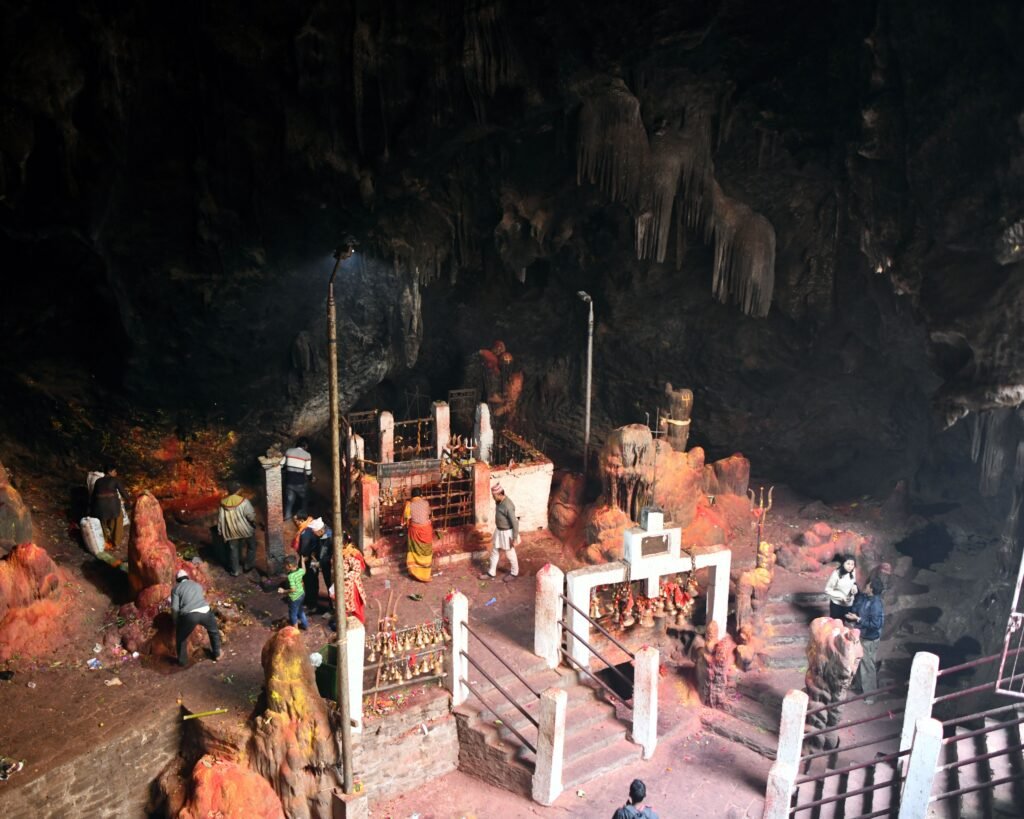
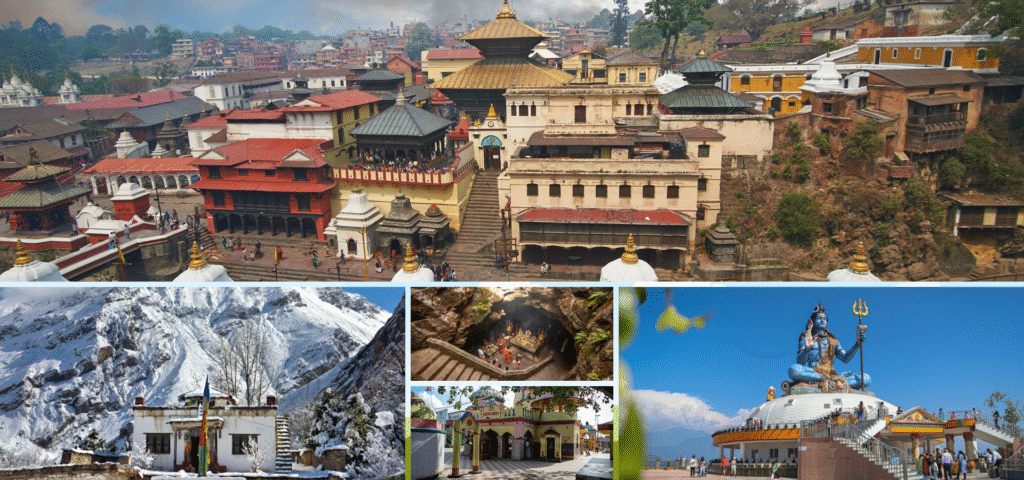
We will visit the famous Hindu Temple of the Kathmandu Valley today. After breakfast, we will visit Pashupatinath, Gujeswari Shaktipith, and Jalnarayan back to the hotel. Briefing at the Hotel and you can purchase some essential goods for the Yatra. Overnight at Hotel.
Day 3 Drive to Syabrubesi (1,503m / 4,931ft)
After Breakfast we will drive to Syabrubesi through Trishuli Bazar by Bus. Overnight at Guest House
Day 4 Drive to Kerung (2,700m / 8,858ft)
After breakfast, we will start trip through the black-topped road to get to the newly opened friendship bridge at the Nepal-Tibet border or the Rasuwagadhi-Kerung border. We will arrive at the 1st village of Tibet, Kerung in about 4 hours. Overnight at Guesthouse
Day 5 Drive from Kerung to Saga (4,640m / 15,223ft)
The path climbs up and down the passes of Thong La and La Lung before getting us comfortably to the village of Saga. Along the way, we will be able to see Lake Peikutso and the typical yak and sheep grazing technique of the Tibetan people. Overnight at Hotel.
Day 6 Acclimatization Day in Saga (4,640m / 15,223ft)
Entire day free for acclimatization. Short treks may be taken in preparation for the Kailash Yatra trek. Overnight stay in Hotel.
Day 7 Drive from Saga to Lake Mansarovar (4590m / 15,059ft))
After an early breakfast, we will drive towards the highest freshwater lake in the world. The holy lake of Mansarovar lies at an altitude of 4558 meters with a greenish-blue color. It is believed that the lake was once a resting place of Lord Vishnu. It is surrounded by Mt. Kailash, Mt. Gurula-Mandala, and the Lake Rakshash. Lake Rakshash is thought to be created by the evil King Ravan which is why the locals think that the water here is poisonous. Complete Parikrama of Mansarovar Lake by vehicle (2 hrs-110 km). Overnight at Guest House
Day 8 Drive to Darchen (4575m / 15,010 ft))
Today, we will get into the colors of religion and explore the holy lake of Mansarovar. We will perform some rituals and then, get going to the village of Darchen. The village is situated right in front of the sacred Mt. Kailash. Overnight at Hotel
Day 9 Drive from Darchen to Yamadwar and Trek to Derapuk (4,860m / 15,944ft)
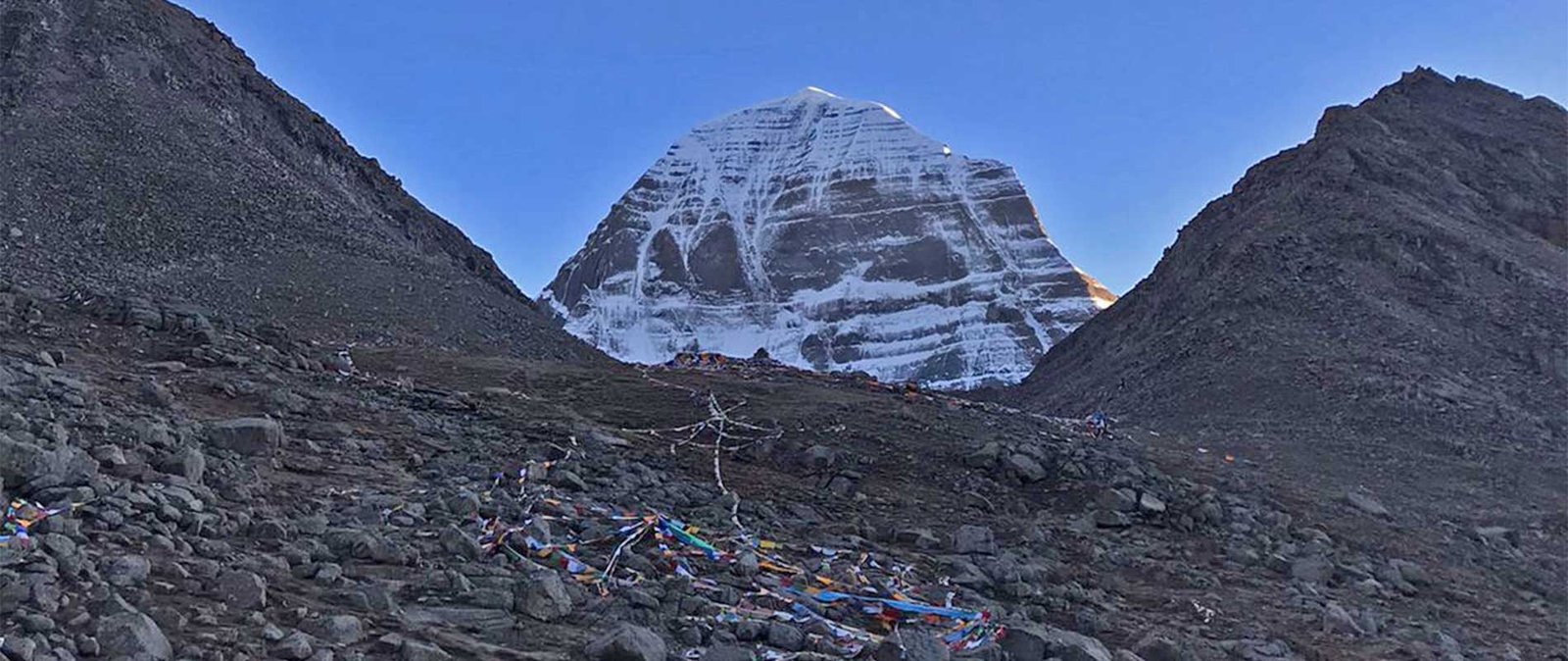
We will drive to the small settlement of Tarboche. Tarboche is the starting point of the Kailash Kora. Yamadwar, the gateway of the god of death, is located in Tarboche. From here, we will walk a few hours to arrive at the village of Derapuk situated in front of the north face of Mt. Kailash. Overnight at Guest House
Day 10 Trek to Juthulpuk via Drolma La Pass (5,630m / 18,471ft)
Today is the longest and hardest trek day of the Kailash Kora. We will walk up the highest pass of Dolma La to arrive at the village of Juthulpuk. First, we will be heading to the village of Jarok Donkhang. From there, we will hike towards the Shiva-tsal.
We will rest here for some time and then, descent steeply to get to the banks of the Lham-chu Khir River. Sometime after that, we will be at the village of Juthulpuk. The place got its name from the famous cave of Juthulpuk or the miracle cave. Along the way, we will be able to view the Buddha’s footprints. Overnight at Guest House.
Day 11 Finish Kailash Kora and Drive Back to Saga (4,640m / 15,223ft)
During the morning, we will be exploring the caves and temples around the Milarepa cave. After breakfast, we will hike some 3-4 hours to complete our Kora and get back to the village of Darchen. We will have lunch there, and drive back to the village of Saga. Overnight at Hotel.
Day 12 Drive Back to Kerung (2,700m / 8,858ft)
We will drive back to the village of Kerung on a comfortable ride. We will have some free time as we descent on a paved path. We will spend the rest of the time relaxing. Overnight at Guest House
Day 13 Drive Back to Kathmandu (1,400m / 4,593ft)
Today, we will cross the Nepal-Tibet border and get back to the capital city, Kathmandu. Overnight at hotel.
Day 14 Day 14: Departure (1,400m / 4,593ft)
Our representative will take you to the international airport of Nepal for your departure
Tour Overview: How This Journey Will Liberate You
Introduction to the Sacred Kailash Mansarovar Journey
Embark on a life-changing pilgrimage to Mt. Kailash and Lake Mansarovar, one of the holiest spiritual destinations revered by Hindus, Buddhists, Jains, and Bon followers. The Kailash Mansarovar Overland Tour via Kerung is a remarkable journey that allows travelers to experience the divine energy of Mt. Kailash, the breathtaking beauty of Mansarovar Lake, and the rugged terrain of Tibet. This sacred journey is not just a trek; it is a soul-enriching experience that takes you across some of the most isolated yet spiritually uplifting landscapes on Earth.
Kathmandu – A Spiritual Gateway to the Kailash Journey
Before setting off on the overland expedition to Tibet, spend time in Kathmandu, a city rich in Hindu and Buddhist heritage. The capital of Nepal is home to several UNESCO World Heritage Sites, including Pashupatinath Temple, a significant Hindu temple dedicated to Lord Shiva. Other revered sites include Gujeswari Shaktipith, associated with Goddess Sati, and Jal Narayan Temple, where the reclining Vishnu statue lies submerged in water. These sacred places create a spiritually fulfilling start to the Kailash pilgrimage.
The Overland Journey Through the Tibet Border
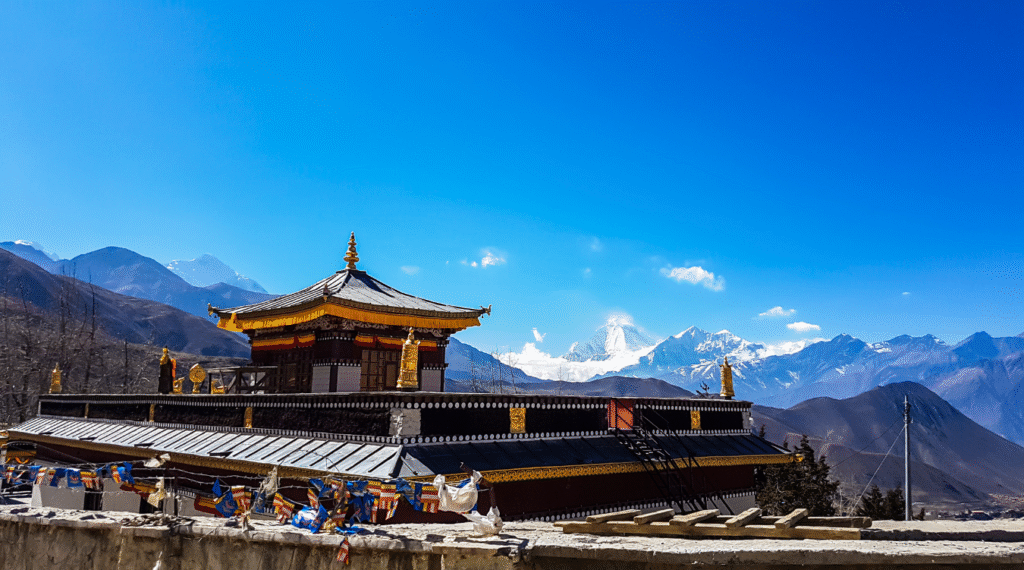
The drive from Kathmandu to Kerung, the newly opened Nepal-Tibet border, offers a blend of lush green landscapes and towering Himalayan peaks. As you enter Tibet, the change in landscape is striking—rolling highland plains, deep gorges, and endless mountain views. The journey continues to Saga, the gateway to the holy Kailash region, where you will acclimatize to the high-altitude terrain.
Travelers will witness Tibetan nomadic life, prayer flag-adorned passes, and vast expanses of untouched natural beauty. Saga, a major town en route, is a crucial stop for rest and acclimatization before heading toward the sacred sites.
Lake Mansarovar – The Sacred Lake of Purity
One of the most awaited moments of the pilgrimage is reaching Lake Mansarovar (4,590m / 15,059ft). This vast freshwater lake, surrounded by snow-capped mountains, is considered holy in Hinduism and Buddhism. Devotees take ritual dips in the icy waters, believing it purifies the soul and washes away past sins. The lake’s tranquil ambiance is perfect for meditation, reflection, and religious ceremonies.
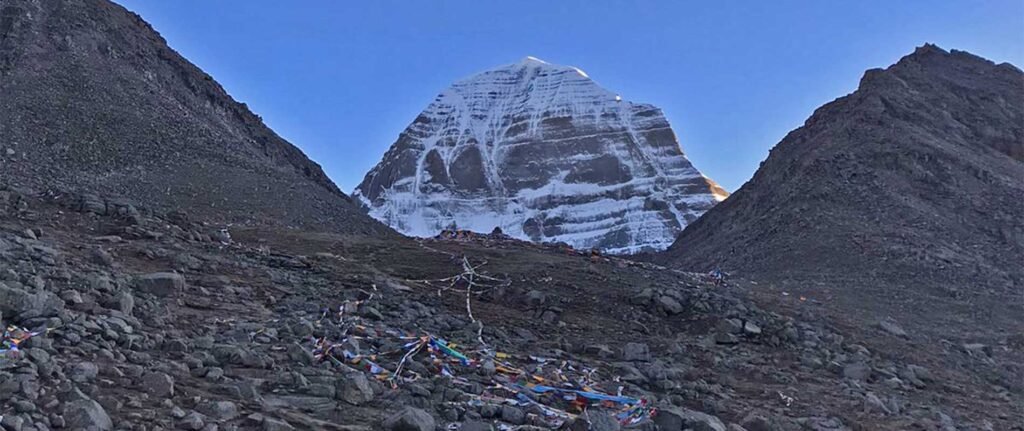
From the lake, pilgrims get their first magnificent view of Mount Kailash (6,638m / 21,778ft)—a sacred peak that remains unconquered by climbers. The spiritual energy surrounding this region is palpable, making it a deeply transformative experience for all visitors.
Kailash Kora – The Divine Circumambulation
The Kailash Kora, or circumambulation, is the most significant part of this journey. Pilgrims walk 52 kilometers around Mount Kailash, a ritual believed to cleanse lifetimes of karma. The three-day trek passes through some of the most challenging yet spiritually rewarding terrains.
- The trek begins at Yamadwar (Gateway of the Lord of Death), where pilgrims seek blessings before starting the circumambulation.
- The first night is spent at Derapuk (4,860m / 15,944ft), offering an awe-inspiring close-up view of the north face of Mt. Kailash.
- The most challenging day is crossing the Dolma La Pass (5,630m / 18,471ft), the highest point of the trek, believed to be the realm of the goddess Tara. Pilgrims leave prayer flags and offerings, marking the spiritual significance of the journey.
- The descent leads to Juthulpuk, known for its meditation caves where Tibetan sages and saints have sought enlightenment.
The Kailash Kora is an intense yet spiritually fulfilling experience that leaves pilgrims with a sense of profound peace and accomplishment.
Return Journey and Final Reflections
After completing the Kailash Parikrama, the journey retraces its path back through Saga and Kerung before returning to Kathmandu. The route offers a final opportunity to soak in the vast beauty of the Tibetan plateau and reflect on the transformative experience of the pilgrimage.
Upon returning to Kathmandu, pilgrims can visit temples for a final round of prayers and thanksgiving before departing for home, carrying with them the spiritual blessings and energy of Mt. Kailash and Lake Mansarovar.
Conclusion
The Kailash Mansarovar Overland Tour is more than just a physical journey—it is a deeply spiritual odyssey that brings pilgrims closer to divinity. Whether you are seeking religious fulfillment, inner peace, or an adventure in the Himalayan highlands, this sacred pilgrimage offers an unparalleled experience. The breathtaking landscapes, the high-altitude challenges, and the profound spiritual aura make it an unforgettable journey of a lifetime.
Embark on the ultimate spiritual adventure and witness the divine energy of Kailash Mansarovar!
Highlights: What Makes This Yatra Unforgettable
- Kathmandu Sightseeing (UNESCO World Heritage Sites, Pashupatinath, Gujeswari Shaktipith and Jal Narayan)
- Biggest and famous Lake Manasarovar.
- 3 days Kora around of mount Kailash by crossing 5650m Dolma La pass
- Exploration typical life style of nomad peoples and roof of the world
What's Included
- All ground transportation by Private vehicle
- Kathmandu – Kerung – Kathmandu By Tourist Bus
- 3 times sattvic bhojan daily (pure vegetarian)
- Enough Drinking water included
- Twin sharing in Nepal and Tibet and group sharing in Kailash Region.
- Tibet Visa & Permit
- All necessary entrance fees in Nepal and Tibet
- Special Kailash Mansarovar Permit
- Applicable entrance fees to visit Monasteries and temples
- Guide, Team of Sherpa to carry your luggage & Cooks to prepare food.(Nepali and Tibetan Tour Guide-1 / Manager, 1)
- Medical kits, Enough oxygen cylinders, Other necessary equipment
- Down Jacket on a refundable basis, Day pack bag, Duffel bag
What's Not Included
- Any kind of personal expenses
- Air and any other expenses from your home location to Kathmandu airport.
- Pony / Porter expenses in Kailash Parikrama
- Any kind of insurance
- Any kind of Medical expenses
- Any kind of donation or tip to Guide / Sherpa / Drivers /Cooks / Porter / Priest / or any crew member
- Extra days accommodation at any place due to bad weather or any other reason.
- VISA splitting charges & transportation charges, if leaving early from Tibet.
- Any evacuation / rescue / additional charges / losses due to natural calamities / unforeseen circumstances.
- Anything which is not included in inclusions
Ready to Begin Your Journey?
Contact us to learn more about this pilgrimage package
Accommodation
Standard
Tea-houses, hotels, tents
Comfortable tent accomodation is available during the Kailash kora. 3, 4, 5 stars available in Kathmandu and most other parts.
Frequently Asked Questions
1 What is the best time to visit Mt. Kailash and Lake Mansarovar?
The best time to visit Mt. Kailash and Lake Mansarovar is from May to August. During these months, the weather is favorable, with clear skies and moderate temperatures, making the pilgrimage more comfortable.
2 What is the difficulty level of the Kailash Mansarovar Overland Tour?
The Kailash Overland Tour is considered moderately challenging, mainly due to the high altitude and long driving hours. The Kailash Kora (circumambulation) involves trekking over the 5,630m (18,471 ft) Dolma La Pass, which requires good physical fitness and acclimatization.
3 Do I need a permit for the Kailash Mansarovar Tour?
Yes, travelers need a Tibet Travel Permit, Alien’s Travel Permit, and a Kailash Restricted Area Permit. These are arranged by Trek Mania Nepal, along with necessary visas and approvals from Tibetan authorities.
4 What kind of accommodation is available during the tour?
In Kathmandu, you will stay in comfortable hotels with modern amenities. In Tibet, accommodations range from basic guesthouses to lodges with limited facilities, especially in remote areas like Darchen and Derapuk. Hot water and electricity may be limited in higher-altitude regions.
5 Is altitude sickness a concern?
Yes, altitude sickness is a potential concern as the tour involves traveling above 4,500m (14,764 ft) for several days. An acclimatization day in Saga is included in the itinerary to help adjust to the altitude. It is recommended to stay hydrated, take things slow, and consult a doctor about altitude medication if necessary.
6 What type of food is available on the tour?
In Kathmandu, you will have a variety of food options, including Nepali, Indian, Tibetan, and Continental dishes. In Tibet, food options are more limited, mainly consisting of vegetarian meals, Tibetan bread, soup, noodles, and rice. It is advisable to bring dry snacks and energy bars for extra sustenance.
7 What should I pack for the Kailash Mansarovar Overland Tour?
Essential packing items include:
- Warm clothing (thermals, fleece jackets, windproof jackets)
- Comfortable trekking shoes
- Sunglasses, gloves, and hats for protection from the cold and sun
- Personal medications (especially for altitude sickness)
- Energy snacks and dry food
- Reusable water bottles and water purification tablets
8 8: Can senior citizens or people with health conditions join the tour?
Yes, but participants should be physically fit and consult their doctors before undertaking the trip. People with heart conditions, respiratory issues, or high blood pressure should take extra precautions.
9 What transportation is used during the tour?
The journey involves private jeeps, land cruisers, or buses for the overland trip from Kathmandu to Kerung and further into Tibet. The roads in some areas are rough, so be prepared for long driving hours.
10 Is travel insurance required for this trip?
Yes, travel insurance with emergency evacuation coverage is mandatory. The policy should cover high-altitude sickness, medical emergencies, and trip cancellations.
11 Can I take a dip in Lake Mansarovar?
Yes, pilgrims can take a holy dip in Lake Mansarovar, which is considered sacred. However, the water is extremely cold, so precautions should be taken to avoid hypothermia.
12 Can I do the Kailash Mansarovar Tour without the Kora (circumambulation)?
Yes, if you are unable to complete the Kailash Kora, you can stay in Darchen while the rest of the group completes the trek. However, most pilgrims prefer to do the Kora for spiritual fulfillment.
13 What currency should I carry for Tibet?
The local currency in Tibet is the Chinese Yuan (CNY). It is advisable to exchange money in Kathmandu before departure, as ATMs and currency exchange services are limited in Tibet.
14 Are there any restrictions on photography in Tibet?
Yes, photography is restricted in certain areas, including border checkpoints, military zones, and some monasteries. Always ask for permission before taking photos of locals or religious sites.
Featured Packages
Gosaikunda – Helicopter ride
Haleshi Darshan
5 days
Gosaikunda Yatra
5 days
Shiva Divine Yatra
10 Days
Muktinath Yatra
8 days
Sacred Journeys
Nepal & India