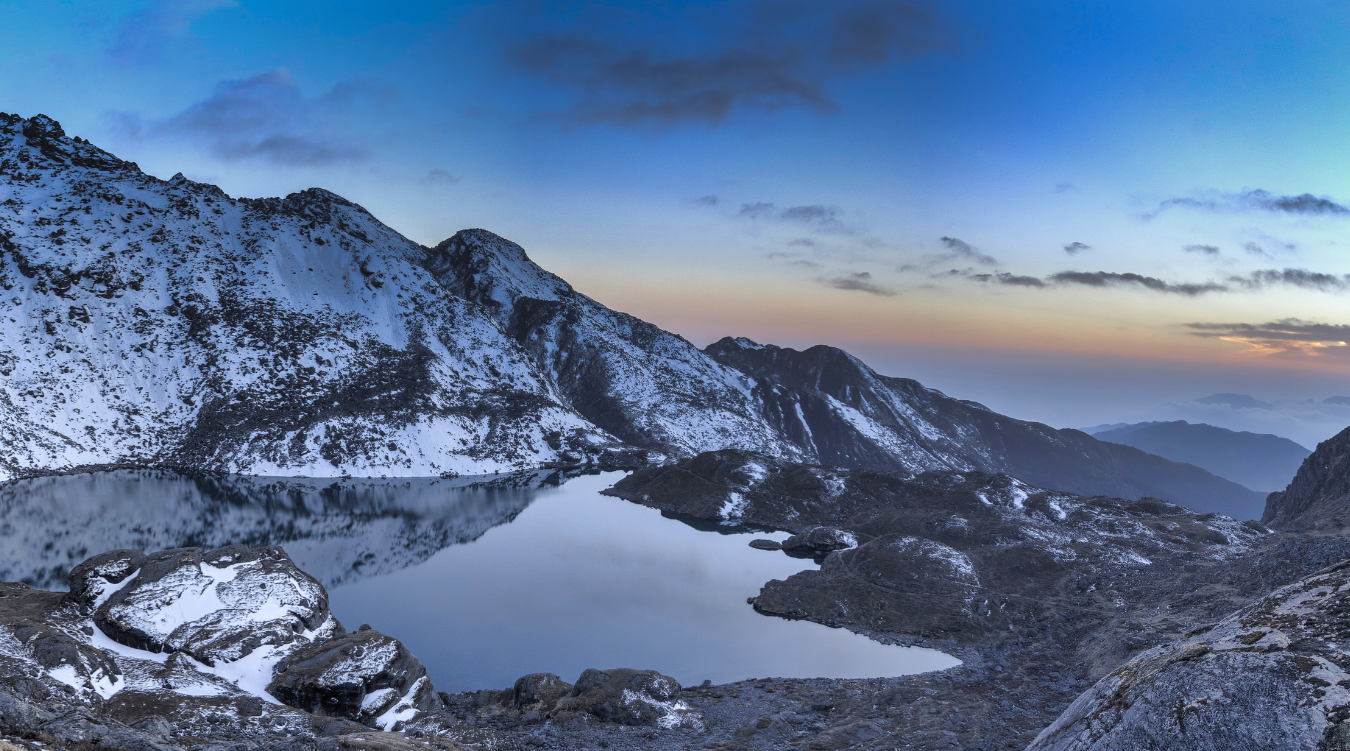
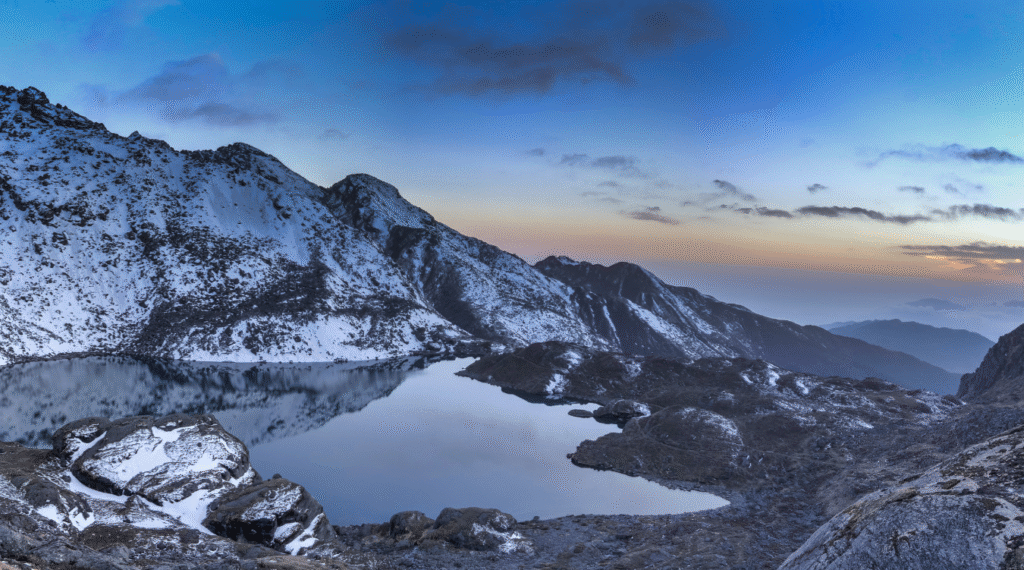
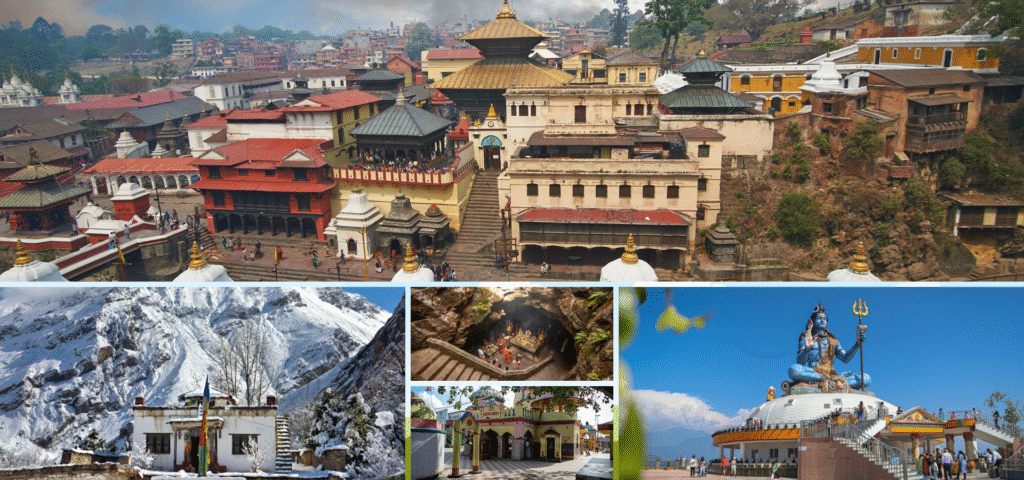
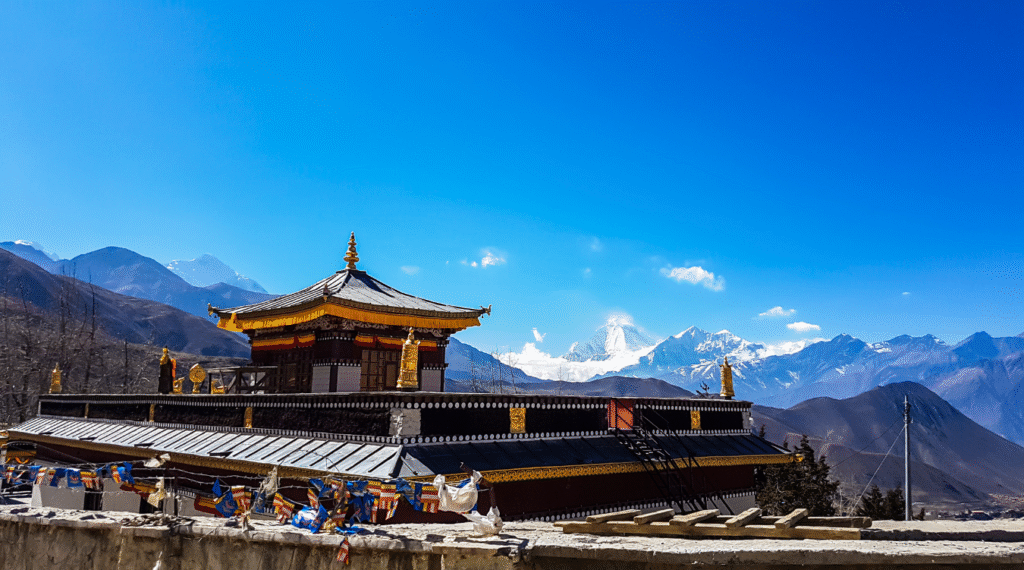
Exposed to the breathtaking sceneries of the grand Himalayas, the lake Gosainkunda remains one of the most exquisite locations on the planet. In this Gosainkunda Trek, you will have an opportunity to witness the finest glimpses of the Himalayan lakes and their inspiring vistas. On the way, you will come across some of the elegant Chortens and Mani walls, which invite a peaceful and serene atmosphere. The monastery of Shin Gompa puts a classic touch on the trek to Gosainkunda. Overall, it is fascinating.
Gosainkunda Trek can be attempted at any time of the year except the monsoon (June, July, August) and the winter (December, January, February). In monsoon, the trails become slippery because of the rainwater. So, it is not suitable. Similarly, in the winter, the excessive cold makes Gosainkunda inaccessible, so cold that the lake freezes into ice. Within 5 days, you will be in Kathmandu again. This is the most incredible short-day trek from Kathmandu that anyone, with a healthy bone, can attempt.
Beginners are fine with this trek. Contact us for further information.
Planning a trek to Gosaikunda:
Planning a trek to Gosaikunda in Nepal is an exhilarating adventure that requires careful preparation. Plan your trekking itinerary carefully, typically including stops at Dhunche, Shin Gompa, Laurebina, Gosaikunda, and Chandanbari, adjusting it to your pace and preferences.
Acclimatization is essential to avoid altitude sickness, so allocate at least one extra day at Gosaikunda or another high point to allow your body to adjust. Prioritize safety during your trek by carrying a fully charged mobile phone and informing someone of your plans. Lastly, savor the journey by immersing yourself in the stunning Himalayan vistas, lush forests, and local culture along the way. Remember to be environmentally conscious, leaving no trace of your presence, and enjoy the natural beauty that the Gosaikunda Trek has to offer.
The Best time to do the Gosaikunda Trek:
Autumn (September, October, and November) is the best time for the Gosaikunda Trek. The weather is stable, the skies are clear, and the temperatures are comfortable for trekking. The trails are dry, offering good grip, and you can enjoy stunning views of the Himalayas. This is also a peak trekking season, so you may find other trekkers to join along the way.
Spring (March, April, and May) is another excellent time for the trek. The weather is warm, and the rhododendron forests along the lower trails are in full bloom, adding to the beauty of the trek. While avalanches are a concern in higher-altitude regions like the Everest and Annapurna areas, they are not a significant issue on the Gosaikunda Trek.
Monsoon (June, July, and August) is not recommended due to heavy rainfall, slippery trails, and leeches in the lower regions. The clouds often block mountain views, reducing the trek's scenic appeal.
Winter (December, January, and February) can be extremely cold, with heavy snowfall making the trail difficult, especially near the Gosaikunda Lake at 4,380m. However, for experienced trekkers prepared for harsh conditions, winter offers a serene and less crowded experience.
Food and Accommodations:
Throughout the Gosaikunda Trek, you'll find a network of teahouses and lodges in the villages along the trail. These provide accommodation and meals for trekkers. The quality and comfort of teahouses can vary, but most offer basic amenities such as beds with blankets, shared bathrooms (often squat toilets), and communal dining areas. Remember that facilities may become more basic as you ascend to higher altitudes. Hot showers may not always be available, and heating can be limited at higher elevations.
You can also find a variety of food options but it is recommended to consult your guide for better and hygienic options.
Transportation to reach Gosaikunda:
The most common way to reach Dhunche, the starting point for the Gosaikunda Trek, is by taking a local bus. Buses depart from the Gongabu Bus Park in Kathmandu. The journey typically takes around 7-9 hours, depending on road conditions, and offers scenic views along the way. And if you prefer a much more comfortable or faster option, you can also opt for a private vehicle. After reaching Dhunche, we will begin our journey on foot and trek through lush forests, villages, and scenic landscapes to reach Gosaikunda and its surrounding areas.
Necessary Permits & TIMS:
To trek to Gosaikunda in Nepal, you will need to obtain the necessary permits, including the Langtang National Park permit and local area permit. These permits are essential to ensure your safety, track trekkers in the region, and support local conservation efforts.
Langtang National Park permit:
Cost: Nrs 3000 per person.